The Human Voice in the Age of AI: Staying Real in a Synthetic World


 Apple Podcasts
 Spotify
 Amazon Music
 Overcast
 Castro
 iHeartRadio
 PocketCasts
 Castbox
 Podchaser
 RSS Feed
 What does it mean to keep your voice — your real, human voice — in a world where AI can mimic almost anything? This week, narrator, actor, voice artist, and writer Kris Keppeler joins Michael for a warm, honest, and deeply human conversation about creativity, identity, and staying connected to the people you create for.
Kris has narrated more than 50 audiobooks, performed everything from cats to presidents, and built a storytelling career around curiosity, humor, and the power of voice. Together, she and Michael explore:
- How she discovered her voice in junior high choir
- The difference between acting on stage, on camera, and in the booth
- The unseen work behind audiobook narration
- Why booking creative work is harder than most people realize
- What she learned about audience after years of “creating into the void”
- How she uses AI — and where she draws the line
- What it means to stay human in a rapidly changing creative landscape
And in a powerful Herst Method™ moment, Kris opens up about the part of her creative journey that still feels unfinished… and what she hopes creators remember about their own voice.
If you’re a storyteller, a creator, or someone trying to find your voice in a noisy world, this episode will feel like a deep breath.
Find us on Apple, Spotify or your favorite listening platform; visit us on our YouTube channel Find everything "One More Thing" here: https://taplink.cc/beforeyougopodcast
Want to be a guest on One More Thing Before You Go? Send Michael Herst a message on PodMatch, here: PODMATCH Proud member of the Podmatch Network of Top Rated- Podcasts
This podcast uses the following third-party services for analysis:
Podcorn - https://podcorn.com/privacy
00:00 - Untitled
00:02 - Exploring the Human Voice in a Digital Age
03:31 - The Journey of a Voice Artist
12:57 - The Impact of AI on Acting and Voice Work
20:45 - The Journey of Storytelling and Writing
27:47 - Reflections on Creative Growth
30:31 - The Impact of AI in Creative Industries
35:27 - The Role of AI in Creative Work
Michael Herst
Hey, one more thing before you go. There are moments in a creative life when your voice, the one you've carried your whole life, suddenly competes with a thousand digital echoes.AI can mimic, generate, narrate, but it can't feel. My guest today has lived on both sides of that line. Actor, narrator, writer, and storyteller.And today we're going to talk about staying human in a world that's changing fast and how you can keep up with it. I'm your host, Michael Herst. Welcome to one thing before you go. Today I'm joined by Chris Kepler.She's a narrator, an actor, a voice artist, a writer, and a host of an award winning storytelling podcast. She's narrated over 50 audiobooks and spent her life using her voice to amuse, provoke, proven, provoke and connect. And she got IMDb.She's been in film and TV and all kinds of neat stuff. Chris, welcome to show.
Kris Keppeler
Thank you.
Michael Herst
Well, you know, it. It's. You have an amazing journey in your life.You empower people in such a unique way because you do it once from a creative perspective, in many ways, through your voice, through your acting, through stage and film.So, yeah, I think that's a very unique way of contributing to the world because the arts are what heal us, would inspire us, what motivates us, what keeps us in a world where sometimes we have to escape to.
Kris Keppeler
Yes, sometimes we definitely need an escape.
Michael Herst
Absolutely. Well, as in any good story or journey, I like to start at the beginning. Where'd you grow up? What was your family like?
Kris Keppeler
You know, I was born in Ohio in the Midwest, and then we moved to Michigan. Spent most of my early life on what would be considered, excuse me, a ranch farm. We had horses, the occasional cow, dogs, cats, some chickens.
Michael Herst
Yeah, all the fun, all the fun stuff.
Kris Keppeler
Learned to ride.
Michael Herst
Yeah, yeah, I relate to that. I. I grew up around horses and cattle and slopping the pigs and milking cows and all that fun stuff.
Kris Keppeler
Oh, yeah. When we were in Michigan, lived across from a dairy farm and so I had great fun with their kids and we got in trouble for chasing the pigs.
Michael Herst
Like goody. Yeah, goody, goody. I got lucky because my brother had to slop the pigs and I got to milk the cow.So, like, that's a little bit better than the other odds. Worked for me. Where did your relationship with your voice begin? Did you start off wanting to be a voice artist or.
Kris Keppeler
No? I started off as a singer and actually in junior high and started in choir. And I just love to sing and was told I couldn't And I'd never learn.
Michael Herst
Don't you, don't you hate it when they tell me that?
Kris Keppeler
Oh, man, yeah. But I love to do it. And so I persisted and kept, you know, I kept at it. I took some lessons.They still couldn't figure out how to teach me how to sing until I finally got to junior college in choir. And then I finally got a director who wanted to help everyone in the choir and he finally discovered that, oh wait, she can sing.
Michael Herst
I think it, you know, it's brilliant when you get somebody or an instructor that takes an interest in their students lives instead of just coming there to get a paycheck and going home.
Kris Keppeler
Yeah. So that's how I got started. And I actually, I, every time I step in front of the mic now, I'm using my singing skills with my acting skills.So they're singing. Having a singing background is very helpful in voiceover and audiobooks from that perspective.
Michael Herst
Yes, definitely. Definitely is. Definitely is. Had you started your career, have you always been in the area you're in now? Did you move to la? Did you go to Nashville?Did you go anywhere, anywhere else?
Kris Keppeler
No, I just ended up in. We moved out to eastern Washington when I was about nine years old.And then it was when I moved to Seattle in my 20s that I started to get into the more musical theater scene.
Michael Herst
What got you interested in audiobooks?
Kris Keppeler
That's what I started to get hired for. Audiobooks are a natural segue for actors when they go into voice acting. Simply, we're, you know, already trained to do multiple characters.Although I ended up specializing in nonfiction. I like nonfiction. I have done some fiction books and I can do multiple characters. I just had a short audiobook released.It's a Hans Christian Andersen fairy tale, the Farmyard Cook and the Weathercock. And I had to give voice to a rooster, a weather vane and a cucumber.
Michael Herst
Very cool. Diverse, diverse, diverse.
Kris Keppeler
When in your fun, I especially.
Michael Herst
Go ahead, please.
Kris Keppeler
I especially enjoy voicing unusual characters.
Michael Herst
I like. I have fun with accents. I've been doing that. I also have a little bit of a background in film.I've been independent film and television commercials and stage acting and things like that. And I love accents. My. My kids think I'm a little crazy dad, but that's okay. It works. You never know who you're gonna get.When did you realize audiences mattered as much as the work?
Kris Keppeler
Did you realize that when you're in plays doing live work? As I enjoyed live work for many years, I did several plays.I sang the Mother, Abba's role in the Sound of Music at a local dinner theater, 29 performances. And so, you know, getting feedback from the audience on what you're doing.So at that point you realize, wow, yeah, it matters what I'm doing up here as far as audience in the digital world, that's a little harder. I found that a very hard nut to crack. But I keep working in. Like I say, I'm persistent.
Michael Herst
Yeah, I think the digital aspect of this world, I mean.Well, no, and you've, you've, you've heard one of my conversations, but I've had several of them in regard to the digital and where we're coming from.
Kris Keppeler
Yeah.
Michael Herst
When I was a kid growing up, you know, I thought the coolest thing was when the computer talked to Captain Kirk. And yeah, shows me a little bit of a, kind of a. Yeah. A geek or girl nerd or whatever.But I, I grew up with Star Trek and what you hear is you see the computer talking to him, talking to the computer, computer answering. And you know, that was like fascinating at the time because you think, wow, that's like the 21st century. That's really cool.And eventually we've grown into that and science has shown William Shatner come on and did a huge episode about, I can't remember if it was unexplained science or explained something where he showed the correlation between what, what was on Star Trek and what became reality, including telecommunicators and, you know, all aspects of that. Translators that, you know, you have in an ear now, you have translators that can translate language for you in real time kind of a situation.You have computers that talk to you, talk back to you. But lately, yes, chat, chat can come, I won't say the whole world because it'll all light up.Siri and Alexa and chat and all these, all these elements have really exploded in the last, like, you know, especially the last year. How do you think that affects especially your work?
Kris Keppeler
Well, I think first of all, people like to listen to stuff and so I think that's just, you know, since people like to listen, it's just an expansion of people liking to listen to lots of stuff. It's, it's definitely affected the voice acting world, especially the lower rungs and. But I am, I'm not adverse to licensing my voice.I've got a couple places that have approached me about licensing my voice and I see that as a way to get it out there in front of more people. And so I think we need to.And I also, you know, well, I'm Concentrating more on my writing also, and then just doing, you know, special character voices. I think that's gonna stay a lot in the realm of, especially the higher end stuff, in the realm of voice.
Michael Herst
Actors instead of, instead of AI Actors you're talking about or AI.
Kris Keppeler
Yeah, instead of AI. Yeah, yeah.And there's a lot of, you know, as far as audiobooks go, there are probably some audiobooks that are just fine being narrated by AI, especially if they're not particularly exciting. But, wow, it's gonna have to grow more if you're gonna do fiction or really good nonfiction. And there's been a backlash on Audible.There are just some people, you know, that's like, I'm not going to listen to anything that's AI narrated, period.
Michael Herst
And do you think there's a difference that you can tell?I mean, the voices that have grown within the AI Now, I know that, you know, I have friends of mine that are, that are Hollywood actors and producers and directors. I was heavily into, I had a film fest. I had two film festivals, actually, four screenwriting conferences.
Kris Keppeler
Wow.
Michael Herst
I know that wga, and not just wga, but the Screen Actors Guild and AFTRA have really kind of implemented AI actors.And basically the AI actor, which is an artificial intelligence actor, and how they're trying to inhibit, number one, the progression of those, Number two, whether or not they're going to mimic some of the, like Ryan Reynolds or George Clooney or Sandra Bullock kind of a situation, take over for them. How do you feel about that from an individual that works within the industry? What are your thoughts on that?
Kris Keppeler
I think it's kind of sad.It's like, why can't we use this technology to improve people's lives rather than, I mean, it's just if you're using AI to replace actors, it's just like it's not, it's not real. It's not real. Why would you want to make more stuff that's not real? Doesn't make any sense.Seems like a misapplication of what AI could be used for is, you know, not, not being applied correctly or, you know, you know, everyone talks about being authentic and it's like AI is about inauthentic as you can get.
Michael Herst
Well, I mean, look, I, I, I am guilty of using AI.I use Lexi for things like recipes and to read me a recipe while I'm making it or cooking it or asking about the weather forecast or the traffic conditions before, before my wife goes to work. Things like this, I think, which is, they're, they're the Jetsons from that perspective. You know what I mean? You. You.
Kris Keppeler
Yeah, that's, you know, I believe it. It's a. It's a really great tool using it in that way. And it's. Because it's going. It helps people, you know, Absolutely.
Michael Herst
From that.
Kris Keppeler
So I. Yeah, I. It's like it could be a really wonderful tool to help a lot of people.
Michael Herst
Well, there's one thing I know for sure. It definitely won't take. Take stage actors away. You can't put an artificial intelligence.
Kris Keppeler
It won't take stage actors away. Yeah. It's not going to repair your toilet.It's not going to build a house at this point, unless they, you know, unless they get robots to be a little more ambidextrous. But that's a long way off.
Michael Herst
Long way off. I agree. I agree. What's the difference? Let's talk about the difference. You work stage and you've worked in a booth and you've worked on film.
Kris Keppeler
Yep.
Michael Herst
What's the difference between stage, film and booth work? You think. Do you think there's. I mean, I.Let's help our viewers and our listeners kind of understand the kind of work that goes into all three of those. Should be. Can we talk about that?
Kris Keppeler
Yeah, sure. You bet. I think voice acting is actually one of the hardest because you do not have another person there that you're reacting to. So you have to.I put that in my mind, you know, what's happening that I need to be reacting to when I'm in front of the mic or telling a story or. Yeah. So stage acting is. You have to be big. And actually, sometimes, depending on the genre of voice acting, you need to be big, too.Sometimes with, you know, video games and stuff, you got to be a little bit more theatrical. And it's. Stage acting is a little bit more of a marathon. Spend a lot of times thinking about the next scene. What are my lines? What am I going to do?You do have to. Especially if you're on a smaller stage, screen the audience out a bit because they can distract you from what you're doing.So it's, you know, it's a more. I've done a lot of stage has been smaller. Smaller stages, intimate stages. And so the audience is right there practically on top of you.So that's a really. You get a lot of feedback and emotion coming from the audience that feeds into your performance on stage. Whereas in film.I always thought film for me was acting in bit. Little bits, this scene, and then you go on to the Next scene. And then they're not always filmed in order.So you're concentrating on just that one scene and what you're doing in that one scene and what you're feeling about that one scene as your character. And then you move on. And you know, it's like. So it's. It's definitely more film is definitely more cut up. You just got this cut up thing. So.And if there's something that you've done in the last scene, it's like, okay, I did this in the last scene. Do I need to bring this over to this scene or am I in a totally different, you know, mindset at this point? So again, it's acting in bits.This bit, that bit. Do I need to connect the bits?
Michael Herst
Do you think that AI would help you in any of those endeavors? Do you think it would be an assistance to an actor, whether it be stage, film, or audio?
Kris Keppeler
In audio, I, I think it could help in editing. It already helps. And there is a company that actually does audiobook proofing with machine AI. Yeah, it really.It helps on the back end in voice acting with the editing stuff, especially in audiobooks where. Because the editing, proofing is such a tedious process and it takes a lot of the tedium out of that process.I think as far as the acting itself, I could see it in helping you analyze a script as an actor, maybe bringing out some things you hadn't possibly thought of brainstorming as far as your scene goes. So because I use it in my writing, I use it in brainstorming stuff from my perspective.
Michael Herst
What kind of what. Let's go back to your. Your. If you don't mind. You do more writing now, so can I. I like to touch upon what, what draws you to storytelling about.About life and, and befuddlement. And do you. Are you writing more fiction? Non fiction, children's adults? What direction are you going?
Kris Keppeler
I'm definitely nonfiction. I'm actually working on my memoir, self help book right now. Something I would never do. I never thought I'd put author behind my name, but.But I'm actually enjoying the experience. I think it helps you. I like sharing funny stuff that happens to me.And I found that going through my life and writing about it has been actually healing and also eye opening. It's like, yeah, I wondered, always wonder why I felt like this. And it's like, oh, it's because this happened when I was five. Oh, wow.
Michael Herst
Yeah, I. I think that those. Those moments that come back to us and we realize that those are memories that have been buried deep down inside.All of a sudden kind of show up and pop up?
Kris Keppeler
Very definitely, yeah.
Michael Herst
So what are your aspirations in garage or writing? You think you like, act? Do you like writing better than you like voiceover or acting? Do you think,.
Kris Keppeler
Wow, it's kind of a tossup right now as far as voiceover. I still like doing shorter stuff, like the fairy tale, shorter books. I love doing. Well, I really like reading children's literature.And writing is definitely more challenging at this point, but also kind of freeing in a way. So really it's a toss up at this point. There's some things I like about writing, some things I still like about voiceover, but. Yeah.
Michael Herst
So do you think your opportunities that you've had as a voiceover artist, as well as whether it be audiobook or film, whatever the case may be, do you think that has allowed you to grow as a person?
Kris Keppeler
Oh, very definitely. Especially the writing, because I really wasn't good at expressing thoughts fully.And then when I started writing more, it pushed me to express my thoughts more fully. And that's been a huge, A huge benefit for me.Yeah, I feel that I've grown a lot being learning that and then just, you know, being a voice actor and an actor, you just need to put yourself out there. And I think you really grow from that experience.
Michael Herst
When you get approached for voice acting, how do you decide what's worth making and what's worth passing on?
Kris Keppeler
Generally it's like, you know, how am I getting compensated for this?I find, you know, the script interesting, And it's basically, am I going to do a lot of work and not get paid very much or get much recognition out of it? It's like, it's not worth it at that point.
Michael Herst
So when you're looking, when you get. When you get hit up with a project, you get presented like a script. For example, I used to be a script reader, okay, For Greenland Entertainment.You'd hand a script to somebody and they would analyze that script and they look at that script and they'd say, yes, this is for me, or no, it's not for me.You know, they usually did it because I think they were looking more along the lines of that character that I would play in here wouldn't benefit me or I don't like it, or it's not me kind of a situation. How do you. How did you decide what to. Other than from a monetary perspective? Did you have.Did you have anything that made you say, I don't want to do that character? I don't Want to do that? Did you. Did you. You do voiceovers for gaming, for example. Do you. Do you look for something in particular?
Kris Keppeler
I haven't done a lot of games. You know, I don't. I think it's more how the script, especially if it's a film or a play. How do I feel about this script? Is it fairly any. And it's.And even in voice acting, is it well written? There's nothing worse than a script that's not well written.
Michael Herst
I agree with that.
Kris Keppeler
Because it's really hard to. Yeah. Bring a character to life if the script isn't well written. Other than that, I think it's. I look at it, you know, is this.I challenge myself, you know, it seems fairly well written and let you know I'm. I'm good at taking on, you know, this. This challenge.
Michael Herst
Is that hard for you, not being in LA or in Florida or in New York?
Kris Keppeler
Yeah, we don't have a lot of work around here. It's. Yeah.It's especially been slow since COVID It hasn't really come back to where it was, But lately we've been getting more commercial work up here. But that's not really my thing. So you'd rather be writing? No, there's not. Yeah. There's not a lot of work up here to be had. So.
Michael Herst
When.
Kris Keppeler
Yeah.
Michael Herst
When you look back at your creative life, is there something that still feels unfinished or unresolved for you? Because obviously the times have changed. Covid changed things. You're. You're moving more into to writing and things like that.So do you feel that when within that creative life, there's something that still feels unfinished or unresolved?
Kris Keppeler
You know, I had a chance to move to LA and I decided not to. And in a way, I kind of regret that because I think I missed out on a growth portion. But I just.It was a time and I just wasn't quite ready to make that leap. I. I wasn't in a place to make leap. So I think I will always regret that I've never, you know, done a TV show. No.I was a featured extra, which isn't really. Which requires a lot of acting work and you don't get paid much. We found that out the hard way. The other actors were with me in this scene.It was fun, but it was like, oh, this is a lot of work.
Michael Herst
It is.
Kris Keppeler
This is acting. Yeah. Yeah. Can you guys cry? What? I'm being asked to cry.
Michael Herst
I'm not getting paid to cry.
Kris Keppeler
Not getting paid because crying is. Boy, let me Tell you, crying is hard.It's hard to go there and have it be real, because I used to do some training programs, which I actually enjoy, and the character I did in many of the training programs had just lost her husband. And this was, you know, in front of people that were. No crocodile tears. It was real. And, boy, you know, it's draining.
Michael Herst
It is. It is.Our oldest daughter is an actor, and a lot of her beginning roles were extras and featured extras and things like that before she started getting, you know, more work. But it was a long, long road.
Kris Keppeler
Yeah.
Michael Herst
Yeah. Long road. If I can touch upon. I was thinking about this when you were mentioning your book and. And how you help with that. How.How do you monitor your use of AI Especially, you know, coming into. There are so many tools coming out now, so many opportunities for people to come out now, even with podcasting. I can. I. I just recently learned.This is related to the question I'm asking you. I just recently learned that from Podmatch, actually, that there's a huge number of actual podcasts that are completely AI that somebody.These companies are doing now where. Where they create two characters or one character, and then they have AI completely do a podcast episode where you. It's just completely AI.There's no human beings other than the people pressing the buttons on the keyboard and editing it and uploading it. It's all done by AI. Do you think that that is going to overtake your industry as a voiceover artist?
Kris Keppeler
I think to certain point it may. I think, because, I mean, what is that authentic? No, it's not authentic. What AI puts out isn't authentic. It's a Ms. May show.You know, all the stuff that it goes out there and it gets. Especially that kind of stuff. It's. It's the opposite of authentic and real. Why do you want to listen to something that's not authentic or real?It's, you know, it's. Yeah. And it's scary because it can sound like it's an authority when it's. It's not an authority.It does make things up, and especially when you're doing that kind of stuff. I. I do blog for an IT company, and as part of that, I do an astrology blog for the CEO. And when it's going out and.And I've used it just to get an outline. What are the major astrology events going on in May? You know, so it gives me a list. So I cut down on some of the research.Research, you know, and it's. When it's going out with esoteric stuff like that and looking for stuff. It makes things up. I'm still having it make things for astrology.It's like, oh, you know, it gives me something and then I go to find more information about that and I get, what? No, this isn't real.
Michael Herst
Yeah. I think a lot of people have to double check. They have to double check, check. What comes up with you is that. Is that.I mean, is that where you draw the line between a tool and replacement?
Kris Keppeler
Yeah, yeah, yeah. It's. I find it's really good for, you know, brainstorming ideas. I'm not as a. As a creative. I'm not great at marketing myself or doing promos.Yeah, it's really good when I give it something that it's like, you know, I need to, you know, this is what I've got. And I need it to sound better as a promo or as a marketing thing or a call to action. It's better for that.It's taking something I'm written or given it already and doing something that I'm not good at, which is marketing myself. And it's really good at. If you give it, you know, a podcast, a transcript. That's a podcast transcript, it's already there. This is what is here.I need it optimized for SEO and geo. I was really good at that.But it's taking something that's already there and making it, you know, into something that people might click on, which is what you want. You want, you know, what an audience. So. So that's. That it's really good at. Yeah. At that kind of thing.But, you know, making up characters and having it pull whatever from the, you know, huge databases. It's. Is that information real? Not sure. And, you know.
Michael Herst
Well, let me ask you this. What should creators remember right now in regard to that?
Kris Keppeler
I think to view it as a tool to. As a tool. It's a tool to make what you've already written or what you're saying better to. Yeah. To get. To do things for you that you're not good at.To do things for you that you're not good at. And that's especially for creators. That's marketing and promo stuff, I think.
Michael Herst
Yeah, that definitely, definitely helped. My daughter is a marketing specialist and she said that AI is really implementing.And they're implementing it in her company, and it actually, it's a benefit, but it's also scares her because it could take her job away. Kind of a situation. One of those things.
Kris Keppeler
Yeah.
Michael Herst
Where can people find you?
Kris Keppeler
They can Find me at my website, ChrisKeppler.com and my podcasts are on Spotify and YouTube and Apple Podcasts. That's the Chris talks about the wisdom of and does this happen to you? Yeah.And they're very female centric or actually they're stories that women will enjoy. Yeah.
Michael Herst
And I'll make sure we have those links in the show notes. Everybody can click on it and find you very easily.
Kris Keppeler
Yeah.
Michael Herst
Chris, this is one more thing before you go. So any words of wisdom? What's one thing like you want creators to remember about their voice that just,.
Kris Keppeler
You know, don't be afraid to express yourself and what you feel and put it out there for people, but also be cognizant of finding an audience for it.
Michael Herst
Good work. Great words of wisdom. Brilliant words of wisdom. Thank you very much for sharing those. Of course.Thank you very thank you for sharing your journey with us today. I appreciate that. Thank you for what you contribute to the world, especially in empowering women in a positive way as well.Again, I'll make sure everything's in the show Notes to the they can find you easily. And thank you.
Kris Keppeler
Thank you. I enjoyed it.
Michael Herst
Today we talked about voice, the one we speak with and the one we live with. Chris reminded us that AI can generate almost anything except you. So that's a wrap for today's episode.I hope you found inspiration, motivation and a few new perspectives to take with you. If you enjoyed this conversation, be sure to like subscribe and follow us. Stay connected.You can find us on Apple, Spotify or your favorite listening platform. You can head over to YouTube and catch the full video version. Have a great day. Have a great weekend. Thank you for being a part of this community.Until next time, I'm Michael Herst. This is one more thing before you go.
Speaker C
Thanks for listening to this episode of One more Thing before you go.Check out our website@beforeyougopodcast.com youm can find us as well as subscribe to the program and rate us on your favorite podcast listening platform.
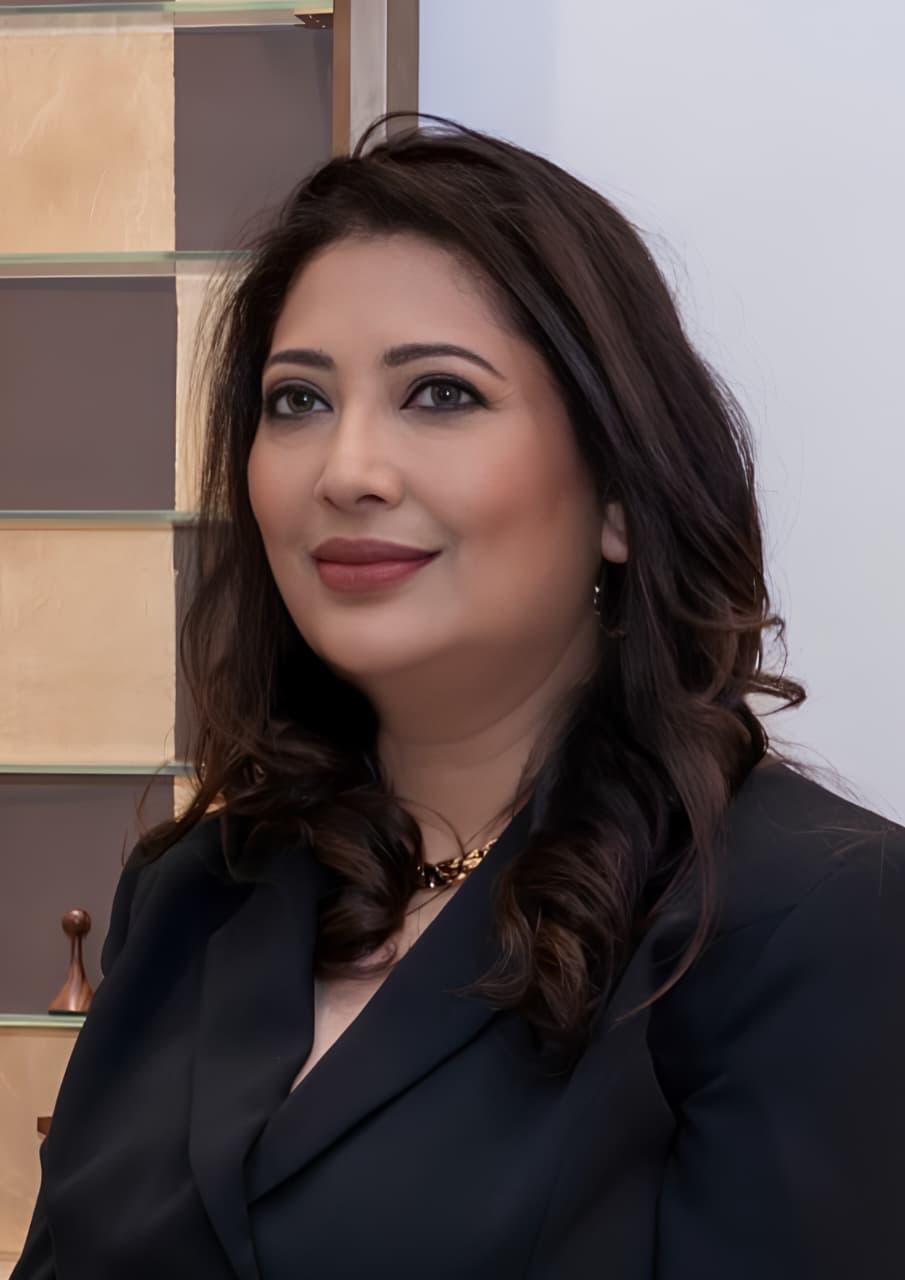
Founder & CEO
Dr. Archana Srivastava is an accomplished artist, gallerist, academician, and TEDx speaker, widely recognized for her evocative figurative works inspired by Indian history, culture, and spirituality.
With over three decades of dedicated artistic practice, her body of work reflects a deep engagement with philosophical thought and lived experience, articulated through a rich and contemplative visual language.
She has exhibited extensively across India and internationally, with multiple solo exhibitions at prestigious venues such as Jehangir Art Gallery and Lalit Kala Akademi.
A recipient of several national and international honours—including the Make in India Award and the Leonardo da Vinci Award—Dr. Srivastava is also the Founder of ArtSage and Les Trésors Art Gallery. Through these platforms, she actively promotes and supports both traditional and contemporary art forms.


 5.0 (53 Reviews)

