Slow Down and Savor: How the Mediterranean Way Can Reconnect You with Life






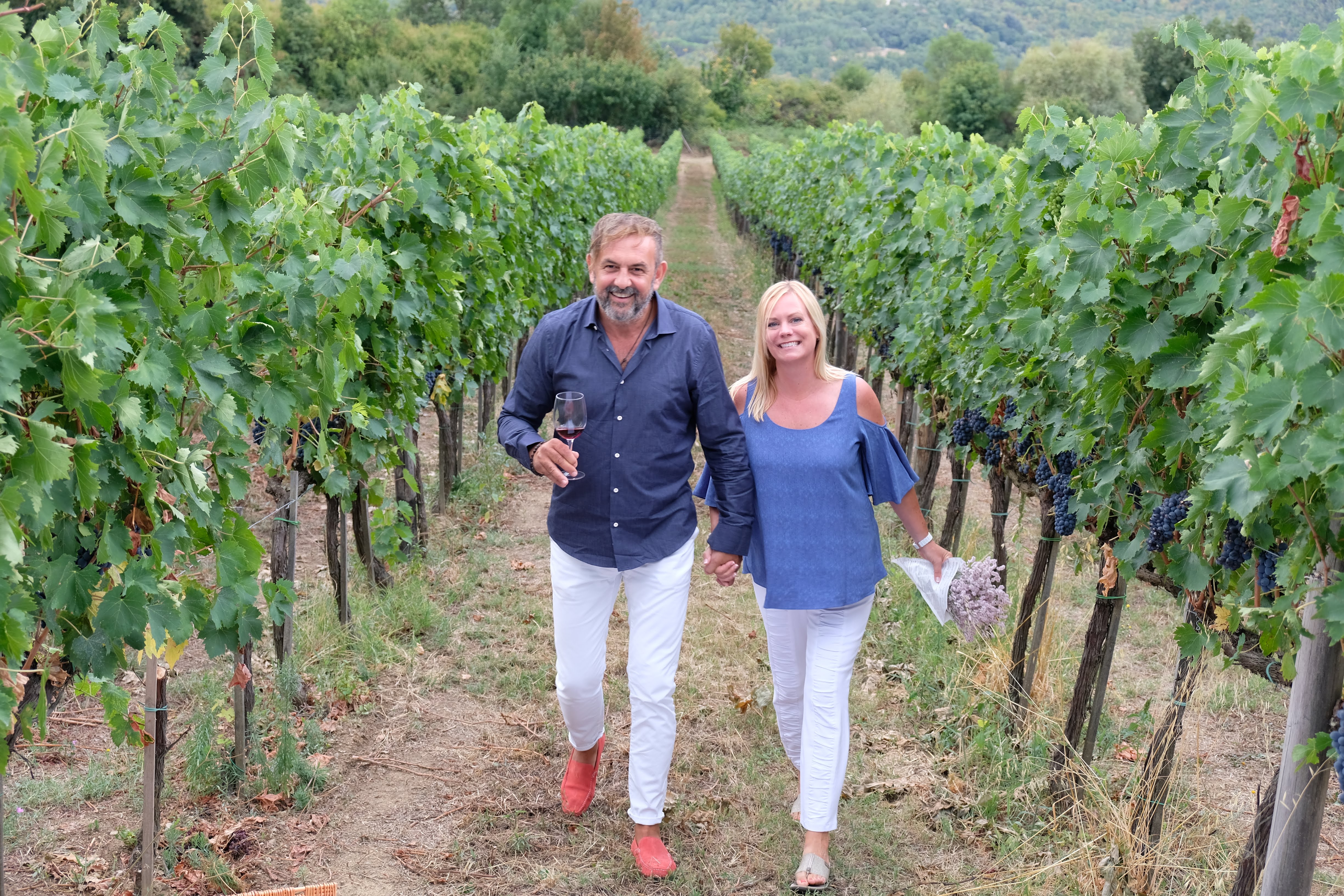
In this inspiring conversation, Michael sits down with Anita Heidema and Chef Dario Tomaselli — the dynamic duo behind the O’Live Your Life Mediterranean movement. Together, they explore how food, culture, and intentional living can transform the way we experience our daily lives. From the emotional power of gathering around a table to the deeper meaning behind Mediterranean wellness, this episode blends storytelling, wisdom, and heart. Whether you’re looking to reconnect with your roots, reinvent your lifestyle, or simply slow down and savor the moment, this episode offers a seat at the table.
Takeaways:
- The Mediterranean lifestyle emphasizes connection and intentional living, transcending mere dietary habits.
- Gathering around the table fosters emotional connections, creating cherished memories that enhance our daily experiences.
- Living intentionally allows us to savor life's moments, transforming mundane routines into meaningful rituals.
- Food is a conduit for connection, serving as a bridge between individuals and their shared experiences.
- Adopting Mediterranean principles can counteract the fast-paced modern life, leading to improved well-being and joy.
- Cultivating a lifestyle centered on presence and community can significantly enrich our relationships and personal satisfaction.
Find us on Apple, Spotify or your favorite listening platform; visit us on our YouTube channel Find everything "One More Thing" here: https://taplink.cc/beforeyougopodcast
Want to be a guest on One More Thing Before You Go? Send Michael Herst a message on PodMatch, here: PODMATCH Proud member of the Podmatch Network of Top Rated- Podcasts
This podcast uses the following third-party services for analysis:
Podcorn - https://podcorn.com/privacy
00:00 - Untitled
00:16 - The Essence of Mediterranean Culture
02:26 - Embracing the Mediterranean Lifestyle
16:44 - The Power of Food and Connection
21:10 - The Mediterranean Lifestyle: Embracing Slow Living
33:08 - The Essence of Mediterranean Culture
35:36 - Exploring Culinary Perspectives
45:36 - The Mediterranean Way of Life
47:26 - The Importance of Rituals in Daily Life
52:22 - Creating Rituals While Traveling
01:02:42 - The Mediterranean Lifestyle and Connection
There's a moment, if you've ever grown up inside Mediterranean culture, that you know it well.
Speaker AThe sound of plates clicking, the smell of garlic warming in the olive oil, the laughter that rises and falls like a song.
Speaker AThe way the meal becomes a memory before you've even finished it.
Speaker AI grew up in an Italian culture from the time I was 11 years old.
Speaker AAnd what I learned early is Mediterranean life isn't about the food.
Speaker AIt's about the way you live and while you're eating it.
Speaker AAnd today we're talking to two people who have built an entire movement around that truth.
Speaker AAnd we're going to share those secrets of living the Mediterranean life with you.
Speaker ASo stay tuned.
Speaker AI'm your host, Michael Hurst.
Speaker AWelcome to one more thing before you go.
Speaker AToday's guests are the king and the queen of the Mediterranean lifestyle, Anita Idyma, and chef Dario Tomaselli, co host of the Olive youe Life podcast and creators of the Olive youe Life Mediterranean movement.
Speaker AIt's a great movement.
Speaker AWe're going to talk about it.
Speaker ATheir story is not about recipes.
Speaker AIt's about reinvention.
Speaker AIt's about choosing a life where connection matters more than speed, presence matters more than productivity.
Speaker AAnd the table becomes the heartbeat of the home like it should be.
Speaker AAfter decades in the fast, disconnected, hustle driven worlds, they chose a different story.
Speaker AOne that rooted in food as memory, travel as transformation and connection as a creative act.
Speaker AAnd as someone who grew up inside Italian culture where the table was sacred, where conversations lasted longer after the dessert, where food was simply the doorway into family identity and belonging, this conversation filled with feels like coming home.
Speaker AAnita and Dario Bonjourno, welcome to the show.
Speaker AI, I, I, I love what you guys do and what you present.
Speaker AI think that this is going to be, everybody should really pay attention because we're going to tell them a lot.
Speaker AWe're going to tell them a lot.
Speaker BThank you for having us.
Speaker BThis is great.
Speaker AWow.
Speaker CYou are absolutely incredible.
Speaker CI mean, I don't think I've ever had such a beautiful intro.
Speaker CHoly.
Speaker CWell done.
Speaker AYou earned it.
Speaker AYou earned it.
Speaker AYou earned it.
Speaker AI, I binged watched your stuff.
Speaker ASee, and so I thought, hey, yeah, I just have to do these people, right?
Speaker AYou just have to.
Speaker AWell, today I think, yeah, I would like, I would like to kind of explore a couple of things, you know, like, I have a question right off the bat, if I don't mind, just for everybody out here, everybody watching, everybody listening, how is the Mediterranean lifestyle a way of being and not just way of eating?
Speaker BIt's a Way of living.
Speaker BAnd everyone thinks of it as a diet, and it's not a diet.
Speaker BWe keep on saying that.
Speaker BIt's interesting.
Speaker BWe were down in Calabria.
Speaker BWe were doing some work for the European Union for olive oil.
Speaker BAnd we were speaking to somebody there that was the head of the consortium.
Speaker CHe was the president of the consortium of Extra Virgin Olive Oil DOP of Calabria.
Speaker BAnd he was talking about the Mediterranean diet.
Speaker BAnd we're like, no, it's not a diet.
Speaker BWhere did this come from?
Speaker BAnd do you know where it came from?
Speaker AI do know.
Speaker BSo he told us that in the second.
Speaker BWas the Second World War.
Speaker BSecond World War, there was a general that came over on the boat and from the United States, I believe, or it was North America.
Speaker BAnd he saw these Italians, and they were so healthy.
Speaker BThese.
Speaker BThese people that were in the.
Speaker BIn the war, they were in the fields, they were eating from the land.
Speaker BSo they ended up dubbing it the Mediterranean diet.
Speaker BComing to Italy and coming from that area.
Speaker BSo then it's sort of expanding because, of course, people got a hold of it.
Speaker BOh, this is a good buzzword.
Speaker BI think we're gonna use this one.
Speaker BBut, I mean, I don't know how many times you say it.
Speaker BDid your grandmother ever call it, oh, we're gonna have a diet today when you're in Italy?
Speaker CNo, she will probably kick me out of the house if I would talk about diet.
Speaker CBecause Michael, you know, bet, you know.
Speaker CWell, I mean, you grew up around it.
Speaker CYou know, the way it is.
Speaker CIt's about culture.
Speaker CIt's about living and connecting around the table.
Speaker CThere is a saying, actually, that we use often in Italy.
Speaker CAtavola, no sin vecchia at the table, no one gets old.
Speaker CAnd that's what it's all about.
Speaker CThat's what it's all about.
Speaker CIt's really the connection, the moment, the real feeling.
Speaker CNo distractions.
Speaker CYou know, we even tell our kids when they come, when it comes for visits, it's just.
Speaker CIt's us.
Speaker CIt's the moment, one on one, where we really spend all the time together.
Speaker CAnd not cell phone, no television.
Speaker CYou sit at the table.
Speaker BIt's a way of living.
Speaker AYeah, I agree with that.
Speaker AI think in today's lifestyle, especially in the instantaneous gratification that everybody is seeking and the fact that your phone is an extension of you pretty much now, it's difficult for somebody to recognize that we have to take the moment, the time.
Speaker ALife can change in an instant, and you miss those moments and you can never get them back.
Speaker BWe've actually had that in our international dinner club.
Speaker BAnd we tell people to put their phones in a box.
Speaker CYes.
Speaker BPut it totally away from where you're in.
Speaker BBecause even if it's around you, you are thinking about it and you're not fully present in the moment.
Speaker BRight.
Speaker BSo it's best to just put it in a box and say, okay, enough already.
Speaker AI agree with that.
Speaker AAnd even you go back to the Mediterranean.
Speaker AI did not know that.
Speaker ABelieve it or not, I never thought about where the origination came from.
Speaker ABut yeah, it's not a diet.
Speaker AIt is a lifestyle.
Speaker AWhy do you think that this kind of a lifestyle can become or is a counterculture movement, so to speak?
Speaker ABecause in a world that's obsessed with what you just said, the hustle, the speed, the burnout, the everything along that line, you know, we have to kind of re.
Speaker AEducate people to understand that life is more than what's sitting in front of you on the phone.
Speaker BI think of it as a North American culture myself, personally, because I have a family background from the Netherlands.
Speaker BAnd even in the Netherlands, there was a slower pace of living.
Speaker BYou had more time off, you had more holiday, you had time to sit at the table, and it was so, so important.
Speaker BAnd it's not just about the food.
Speaker BIt's about the lifestyle.
Speaker BAnd you think that you have to hustle to get there.
Speaker BSo as also a business coach, I find that my clients, they just want to do things with speed.
Speaker BBut if you don't slow down, relax the brain to really get present in your moment, get present with the people around you, you lose yourself and you get on that spinning wheel, I call that hamster wheel.
Speaker BAnd you keep on doing it over and over again.
Speaker BAnd everyone loves to go to Italy or the Mediterranean as an example, but they're not really taking that back home.
Speaker BThey're living in that moment.
Speaker BAnd they say, oh, I love it.
Speaker BIt's so wonderful.
Speaker BBut then they come back and they get caught up in that hamster wheel again without realizing that, really, a lot of times I want to say you slow down to speed up, but it kind of brings you more better health, better happiness when you're connected with people and people are forgetting that, and it seems to be more in North America.
Speaker BWhat's your Italian perspective?
Speaker CWell, my Italian perspective is very simple.
Speaker CYou know, it's.
Speaker CIt's really living life for what it is you're living today.
Speaker CBecause today there is not going to be another today.
Speaker CTomorrow it's done.
Speaker AOkay?
Speaker CJust think about that.
Speaker CAnd you know, the funniest thing is When I.
Speaker CWhen I came to North America and I was already fairly older, and one of the first thing I remember when I arrived, I noticed and everybody was running all the time and they had this stress on their eyes and they were eating standing up.
Speaker CAnd I remember saying to my friend, I said, why is everybody running?
Speaker COr they gotta go to work, they gotta do this.
Speaker COh, my goodness.
Speaker CIn Italy, we don't.
Speaker CWe run to come home or we run to go to see our friends for an EP hour.
Speaker CIt's the moment of really living because it's so important and fundamental.
Speaker CFood is always il filo conductore, what we call it the conduit, okay?
Speaker CIt's what really connects us.
Speaker CIt's what really brings us joy, okay?
Speaker CAnd that's, you know, we say food is medicine, but connection is your prescription, okay?
Speaker CSo when you think about those things, you really realize the importance.
Speaker CYou know what, when we get together with our kids, when we get together with our friends, when we take our guests to one of our retreat, it's those moments that are impactful.
Speaker CYou don't think about anything else.
Speaker CYou think about the moment.
Speaker CYou don't need that picture to remind you of that because you just lived it.
Speaker CAnd that is the most powerful thing that I almost forgotten when I came here.
Speaker CAnd then with Anita, I always say I reconnect with my culture through Anita's eyes.
Speaker CThat's a very important part.
Speaker CAnd this is why we came up with for Live youe Life, because that was an experience for me again, to rediscover my culture and the simplicity of what the Mediterranean lifestyle is all about.
Speaker CAnd that's what we call it, is that message in a bottle.
Speaker BI think even the first time we met too was a crazy thing that got us to come to this moment.
Speaker ASo anyway, that's all right.
Speaker AI was going to say we jumped on in a few minutes ago, but I'd like to start with your origin story.
Speaker AI mean, you both came from high pressure world that you found each other.
Speaker AYou built a life centered around slowing down taste, you know, tasting deeply and living intentionally.
Speaker ALike you just said.
Speaker ATell us about you guys.
Speaker AHow, how did you meet and how.
Speaker AHow'd you come about?
Speaker BWell, the.
Speaker BThe meeting started kind of interesting.
Speaker BI guess we'll go all the way back.
Speaker CYeah, anyway, we gotta go all the way back.
Speaker ASo back to the beginning.
Speaker AIt's.
Speaker BIt's a juicy story.
Speaker BSo our kids are best friends, actually, and we met them and we met each other when they went to kindergarten.
Speaker BAnd then we went through 20 years, 18 years without realizing that we were a couple.
Speaker BWe were friends and had been to all the ball games with the kids, but we always talked about the children and what they were doing and what was happening.
Speaker BWe never talked about each other or our interest to even know who we were or what happened.
Speaker BAnd it wasn't until that we were both unfortunately divorced or fortunately.
Speaker BI don't know if we.
Speaker BYeah, I guess it could be four.
Speaker CIt was a part of life.
Speaker AYeah.
Speaker BThat we came together and.
Speaker BAnd realized it.
Speaker BSo that's why we always are so grateful every day that we have the chance.
Speaker BAnd, you know, it was food that really connected us.
Speaker BI mean, that first risotto that Dario made for me.
Speaker BOh, mamma mia.
Speaker BSo I came.
Speaker BI came from a family that my mom, she had.
Speaker BI was doing yoga when I was 6.
Speaker BShe was buying organic when I was a kid, so food was around more health.
Speaker BWhereas Dario brought a new perspective to what food was, and it was about that soul of flavor.
Speaker BAnd I also was brought up with Italians when I was younger, and I was babysat by them.
Speaker BBut what the real turning point in us creating our business to move forward with what we've got now is we stopped connecting.
Speaker BWe got busy again.
Speaker BAnd Dario was cooking around the world, doing different things.
Speaker BThat year, I was speaking in India, in London.
Speaker CYou were all over the place.
Speaker BI was all over the place.
Speaker BAnd we were like, wow, we're doing it again.
Speaker BWe are going.
Speaker BWe're getting caught up in that busyness, and we don't want that to happen.
Speaker BSo Dario happened to be cooking in a master castle in Italy, in Elba, was it, or.
Speaker BYeah.
Speaker BAnd we sat down and we said, we got to figure out something, and it was something that came to our mind.
Speaker BAnd I'm going to get a little bit of numbers off.
Speaker BBut it was a study that was done, and it said 63%.
Speaker BI think it was 63% said that they're spending more on medicine than on food.
Speaker BAnd 87 were saying they were connecting less and less every year.
Speaker BAnd that was in 2018.
Speaker BAnd we're like, wow, that's insane.
Speaker BAnd we put all our thought processes together.
Speaker BWe said, we need to create a business that speaks to something that we both do in our hearts, in our minds, and making something that is going to be different and that's going to be what we've lived through, that we can be able to share with other people.
Speaker AAnd I think that's brilliant, because, you know, it is, again, that you recognize.
Speaker AAt least you recognize the fact that you Were getting back into that pace that the world seems to be going at and said, hey, we need to stop for a moment and take a breath.
Speaker AAnd the old cliche, stop the smell of roses.
Speaker AYeah, kind of a thing.
Speaker AAnd really understand what's in front of you.
Speaker AAnd it's kind of an Italian version of When Harry Met Sally.
Speaker BHey, there we go.
Speaker BWell, you know, we gotta do that restaurant scene.
Speaker CIt's funny.
Speaker CIt's funny because, you know, as you just said that, you know, it brings me back, real back.
Speaker CAnd I was 13 years old and, you know, as a young kid, you know, running around, we were in a little square on my town.
Speaker CAnd you know, the old guys, in the afternoon, after they take a little nap, they play cards, okay?
Speaker CAnd I'm running around, all the kids are running around.
Speaker CAnd this old gentleman, his name was Settimo, I never forget.
Speaker CAnd he stops me as I'm running around.
Speaker CHe grabs me and his eyes, and they were glossy, full of love.
Speaker CAnd he looked at me and he says, oh, my God, if I could always go.
Speaker CIf I could only go back, I would travel the world and see all the beautiful thing.
Speaker CAnd I'm looking at him then he's.
Speaker CHe's kind of reminiscing things that he wish he would have done.
Speaker CAnd to this day, it's right in my head.
Speaker CI can see the moment.
Speaker CI can feel it more than you can even imagine the things that happen in my life.
Speaker CAnd it's when finally we reconnected together and we start really understanding the purpose of us being together, then I really appreciate that every moment is to be counted.
Speaker CFood is what makes us happy.
Speaker CFood is food.
Speaker CCooking food, it's not a chore.
Speaker CIt's just an action of being together.
Speaker CIt's like a moment that you can discuss every single thing.
Speaker CThen you.
Speaker CYour day went by.
Speaker CHow was your day?
Speaker CYou know, how many times you see people coming home and we talk about it?
Speaker CYou know, most of the time we just did an interview on a TV show.
Speaker CHow many times you see, you know, I'm giving you a classical couple, husband and wife, two children, and they rush home, rushing home and figure out, oh, we got to grab this, we got to grab that, because the kids need to eat.
Speaker CAll sports activity.
Speaker CAnd then they get home, kids in front of a TV or in front of a computer or whatever they are, and they continue be on a phone, on a computer because they still have things to do.
Speaker CThere is always things to do in life.
Speaker CBut those moments, those moments of all four of you be Together cooking a wonderful meal that you know is good for you.
Speaker CConnect with your kids about the day.
Speaker CIt's the things you used to do.
Speaker CWhen we were kids.
Speaker CI mean, my grandmother, which I grew up with, we all had a chore, and the chore was all around that table.
Speaker CWhat we were going to do, we were going to sit down, we were going to talk, and we were going to have those moments then.
Speaker CThey are incredible.
Speaker CFood is memory.
Speaker CYour life is a memory.
Speaker CThen you can move it over and over and over again.
Speaker AWell, yeah, that's a brilliant story because my memories go back, and I have a very tumultuous childhood up till I was 11 years old.
Speaker AAnd when I say 11, it's because that's when I met Roberto and when my sister married him and introduced me to this whole new world that I just embraced, passionately embraced and to such a point that I really started understanding things.
Speaker AAnd, you know, Anita, you eating
Speaker Chis
Speaker Ameal that he prepared took your heart.
Speaker AI cook my wife that meal, and I've cooked for her just about every day since then.
Speaker AAnd we make our own pasta, we make our own bread.
Speaker AWe make.
Speaker AIt's an act of love.
Speaker AIt's not an act.
Speaker AIt's not a chore.
Speaker AIt's like, oh, I mean, we enjoy doing this.
Speaker AYou know, we enjoy running pasta through the machine.
Speaker AWe enjoy cutting it.
Speaker AWe enjoy cooking it.
Speaker AWe enjoy the lemon and the basil and, you know, everything that goes with it.
Speaker CAnd.
Speaker AAnd we create memories every day with every meal.
Speaker ASo I agree with that.
Speaker AIt allows us to experience life like it should be experienced.
Speaker BSo.
Speaker AYes.
Speaker BBeautiful.
Speaker BBeautiful story.
Speaker CYou know, Well, I think also when you.
Speaker CWhen you.
Speaker CWhen you rush, you're reacting.
Speaker AYeah, yeah, yeah.
Speaker CWhen you slow down, you're becoming a little more creative.
Speaker COkay.
Speaker CSo I think it's.
Speaker CI think it's those things, and they're very important.
Speaker CYou know, you slow down a bit, you realize, and you're being more creative.
Speaker CYou be.
Speaker CYou becoming more meaningful about your actions, and that.
Speaker CThat is important when you're creating a meal.
Speaker CIf you rush a meal, it's a.
Speaker CIt's a rush meal.
Speaker CIt's.
Speaker CIt's not gonna taste good.
Speaker CFood takes time.
Speaker CIn Italy, we say slow food.
Speaker AYeah.
Speaker CFast cars.
Speaker AThat's why I love it.
Speaker AFast cars.
Speaker ANo, you know, I agree with that.
Speaker AI think that we.
Speaker AYou know, the thing that I learned as well as I grew up is the fact that, again, when you stop and the food connects us in such a way that it allows us to have a conversation not just about the Food and the experience of the food.
Speaker ABut as you said earlier, it creates the memory, it creates the visual, it creates the smell, the taste.
Speaker AAnd you say, oh, yeah, I remember this.
Speaker AI remember that.
Speaker AYou know, when I started learning how to cook, I started learning how to cook at a very young age from these Italian.
Speaker AFrom Giovanni.
Speaker AGiovanni taught me pizza and bread and, you know, everything related to that.
Speaker ARenata taught me pasta and ragu cooked from the morning.
Speaker ANot the stuff in the jar.
Speaker AWe don't do the stuff in the jar that you buy off the shelf.
Speaker AIt's cooked in the morning.
Speaker AWe smash the potatoes.
Speaker APotatoes, excuse me, the tomatoes.
Speaker AYou smash tomatoes and you cook it from the morning for five hours, and then that's when it's done and it's cooked with love.
Speaker AAnd it takes time and you can permeate the house with it.
Speaker ASo two days later you're going, do you remember what we just cooked the other day?
Speaker AYou remember that?
Speaker AThat was so good.
Speaker AIt's a positive thing.
Speaker AI think it opens a doorway into something much deeper.
Speaker AAnd I know that you've said that before, and I think even just talking about it right there, I think that the Mediterranean lifestyle, is this something that we should embrace from a consistent level?
Speaker AIn America, we've got 30 minute lunch, two 15 minute breaks during the daytime, or 10 minutes, if that, but everybody has 30 minutes for lunch.
Speaker AMy wife has 30 minutes where she has to either shove food down her mouth or go down and order it, where it has to be prepared very quickly, and then she has to really slam it, slam the food, and then go back to work.
Speaker AWell, I know that, and correct me if I'm wrong, but from the conversations that I've had in the Mediterranean lifestyle, she knows that from being home.
Speaker AI'm always having to tell her, slow down, slow down.
Speaker A37 years later, I'm still saying, slow down, Diane, because she's done and I'm still eating.
Speaker BIt starts with small habits at a time, though, right?
Speaker AExactly.
Speaker BOne thing that she starts, and maybe she.
Speaker BThat lunch time, maybe.
Speaker BCan she eat at a desk and still, like, take that time a little bit more while she's working?
Speaker BShe can eat as opposed to rush.
Speaker AAnd I think she does.
Speaker AShe does a little bit of that.
Speaker AYeah, yeah, yeah.
Speaker CBut you think about productive productibility.
Speaker CLook at my Italian Israelis.
Speaker CMy worst language, Jeremy.
Speaker CBut you think about being productive as a company.
Speaker AYeah.
Speaker CYou know, if you, you know, and I often say, if you take care of your body, your mind is gonna be more practical and you become more efficient instead.
Speaker CWhat we do the other way around.
Speaker CWe rush, rush, rush, rush.
Speaker CThis brain is a computer.
Speaker CWhat happen if you overloading a computer?
Speaker CIt crash.
Speaker CYeah, well, we are just a manual
Speaker Bcomputer, much more advanced computer.
Speaker CAnd we need to understand, and we need to understand the importance.
Speaker CYou know, Anita said, and she always said in some of her presentations, you need to slow down, to speed up.
Speaker CAnd she's right.
Speaker CI mean you cannot, you cannot go so fast because you're done is done.
Speaker AYeah, it goes back to life can change in an instant.
Speaker AYou never know what's going to happen.
Speaker AYou know, it's interesting because if you look at the, even the lifestyles, when we talk about Mediterranean lifestyle in Italy, France, I don't know how it is in England, but I know in Italy, France and Spain, you know, you take a nice hour, hour and a half for lunch, for example, and you, and you're supposed to, you're supposed to enjoy, you're supposed to eat your meal, have a cup of coffee afterwards, relax, have a conversation, enjoy outside.
Speaker AThat's why you see so many tables sitting outside the restaurant so that you can enjoy the atmosphere and the air and the blue sky and the trees and the bushes and, and watch people watch instead of this 30 minute thing that's part of the Mediterranean lifestyle.
Speaker AI think in, in Anita, I think in something I was watching you, it says something about it being an emotional intelligence and help us understand that because I mean, I heard it, but I think we should have a better understanding of ourselves through ritual and connection and presence and in that kind of a philosophy.
Speaker ACan we talk about that?
Speaker BWell, it's all about mindset and it's so important to develop those habits in the Mediterranean and do them step by step because you don't want to overload yourself.
Speaker BBut if you think differently and you know, when you're talking about the lunches that they take, do you know, a few hours later they end up going again for aperitivo at 5 o', clock, right?
Speaker BSo happy hour is always a given.
Speaker BSo everyone from work goes there, but they're more productive in what they're doing because they're having that sense of community.
Speaker BIf we're talking work wise, right, they're having that sense of community and what they're creating and being able to build those connections for, for work and networking and having that happy attitude which also affects the brain.
Speaker BI really believe that you need to slow that down a little bit to understand what it is.
Speaker BAnd in the Mediterranean it just comes naturally in all those countries and how they're Creating it.
Speaker BSo it's slowing down and really thinking about and being intentional on how you're going to be creating your life.
Speaker BThat's so important.
Speaker CWell, I got a story for you.
Speaker BHe loves his story.
Speaker ALove stories.
Speaker CI'm full of story.
Speaker CSo our really good friend Andrea and Daniela live in this village in north of Arezzo, okay.
Speaker CIn Tuscany, between Siena and Florence.
Speaker CAnd just pay attention to this, how impactful this is.
Speaker CSo is in a village called Monte San Savino, is in a Chianti Valley, Valdiana.
Speaker CAnd they are the most wonderful family you've ever met in your life.
Speaker CAndrea is from Milano, where I am from.
Speaker CAnd Daniela, she is from Monte San Savino.
Speaker CSo a village girl and a city hustle and bustle guy.
Speaker CSo when Andrea moved to Monte San Sevino, he says, I'm never going to live again.
Speaker CThis is it.
Speaker CBut at the beginning he couldn't understand how even in Italy, how they were just more relaxed.
Speaker CSo every year when we go there, they have actors and actors and actors of olive trees.
Speaker CSo of course they get together and they do the harvest of olador.
Speaker CSo anomaly takes a week to two weeks.
Speaker COkay?
Speaker CBut it's an event.
Speaker CIt's hard work, Trust me, it's hard work.
Speaker CEveryone then is purchasing olive oil.
Speaker CYou must understand the work, the expense
Speaker Bthat goes in at night time.
Speaker CThe biggest thing is this.
Speaker CSo the grandmother, the matriarch, she wakes up at 4 o' clock in the morning to prepare the meal for lunch.
Speaker CSo and then at 7 o' clock everybody get together at the house.
Speaker CWe all have a coffee and we relax and off we go.
Speaker CWe start working around the field.
Speaker CAt one o', clock, stop.
Speaker CAnd then there is big table and limoncello wine, all the stuff she cooked.
Speaker CAnd we just live there for one hour or two, laughing, telling story.
Speaker CAnd off we go again until five, six o' clock at night, okay?
Speaker CAnd then back again.
Speaker CShe's got another big meal going.
Speaker CBut my point is.
Speaker CHi, Geckos.
Speaker CBumps.
Speaker CTalking about is, is those really important moments that you will never forget.
Speaker CThat is memory.
Speaker CAnd the most powerful thing about this is this.
Speaker CDaniela's mom, she's Italian 100%.
Speaker CMatter of fact, she doesn't even.
Speaker CShe speaks dialect from Val di Chiana
Speaker Band Anita and her and I don't speak any Italian.
Speaker BWell, very small amount.
Speaker CCommunicate for hours.
Speaker BOh, you Italians, you talk with your hands.
Speaker BIt's easy.
Speaker CAnd the thing is, that's the impact I'm trying to share.
Speaker CWhen they leave Ichera, they cry because it's almost like it's an extension of a mother, which she barely understand, but she understands.
Speaker CBut you understand everything on that table.
Speaker CThere is the moment on.
Speaker CEverybody's really embracing.
Speaker CNobody's judging you, nobody cares what do you do, but they care how you do.
Speaker AYeah.
Speaker CThat is the most important.
Speaker BWe've brought people that we've got on our retreats.
Speaker BAnd so we will do parmigiano, Reggiano.
Speaker BWe'll do balsamic, balsamic vinegar.
Speaker BWe'll go to the high end restaurants.
Speaker BMichelin star experiences that are just unbelievable.
Speaker BAnd our clients always say their best experience when we do a barbecue at their place.
Speaker BYeah.
Speaker BAnd.
Speaker BAnd they're like, they love it sometimes.
Speaker BWe've had karaoke, we've had bands, but everyone's dancing, they're having great food and they just love it.
Speaker BAnd that's what the essence of the Mediterranean is.
Speaker BAnd that's why we love doing our retreats.
Speaker BBecause you get to feel what it's like to be an Italian.
Speaker BIt's not, as Dario says, another bucket of rocks.
Speaker BBecause, yes, Italy is beautiful, Spain's beautiful, and Portugal, Greece, you know, but it's that essence of what it is.
Speaker BAnd when you can feel that in your bones and take that home with you, as opposed to turning it off and going, okay, I'm back in North America.
Speaker BWherever you're living, it's taking that in the essence of yourself.
Speaker BRight.
Speaker CWell, I look at you, Michael.
Speaker CI mean, you, you, you still remember those moments.
Speaker AAbsolutely.
Speaker CShare with you.
Speaker CSo those memories are right there.
Speaker CThey don't go away because there's such a pressure.
Speaker CMemories that impact you on your marriage, on your life, on the way you take care of yourself.
Speaker CAll better than medicine.
Speaker AYep, absolutely.
Speaker AAbsolutely.
Speaker AI mean, my memory, some of my, I would say a very large portion of my memory, especially growing up before, even before I met Diane and we had our girls, were a lot of that essence, a lot of the.
Speaker AThey, they.
Speaker AWe became family.
Speaker AYou know, it was not blood, but we were family.
Speaker AAnd when I walked away from there, it was family.
Speaker AAnd they go back each and every time I. Whoops, one second here, I picked the wrong thing.
Speaker AOops.
Speaker BIs Italian's good.
Speaker AThere we go.
Speaker CVery good.
Speaker CThere we go.
Speaker BYou're showing me up here.
Speaker BYou know, that's not really.
Speaker CYou really.
Speaker CYou know what?
Speaker CHe's fooling us.
Speaker CHe actually is fluent Italian now.
Speaker CThere we go.
Speaker AIt's one of these things that as I grew up, it was comceriche, Michael.
Speaker AEverything was.
Speaker AHow do you say, how do you say, how do you say so it was easy to learn because of that.
Speaker ANow I've forgotten a lot of it because, you know, obviously, our lives have moved on.
Speaker AWe moved away from Colorado.
Speaker ARoberto comes out about maybe twice a year, and, you know, this kind of thing.
Speaker AAlthough he's going to go back to Rome, which, I mean to.
Speaker AHe's going to move to Puglia, which I'm kind of disappointed about, but, you know, anyway, we're getting off track.
Speaker AOff track, off track.
Speaker BAre you gonna come when we get our place?
Speaker CYou gotta come with us.
Speaker CYou gotta come with us, Michael.
Speaker AYou're making me yearn.
Speaker AMy wife and I want to come to Italy so badly.
Speaker AIt is a goal, and I'm not gonna say it's on our bucket list.
Speaker AIt is a goal for us to be able to get there, and so we're going to get there.
Speaker AWhen we do get there, first place I'm going to come is you guys.
Speaker BYeah.
Speaker BYeah.
Speaker BI love it.
Speaker CYou gotta come.
Speaker CAnd, you know, and.
Speaker CAnd we love to share.
Speaker CYou know, Michael, it's hard to explain because I really.
Speaker CBorn and raised there.
Speaker CI rediscover my.
Speaker CMy country.
Speaker CI rediscover the love for my land.
Speaker CI rediscover the love for.
Speaker CFor my culture.
Speaker CWe are there two or three times a year.
Speaker CAnd I think the most important thing we think about life, we think about work.
Speaker COne of the foundation, the most important foundation about such a thing.
Speaker CEven as my chef, myself, as a chef in the kitchen, you know, I've been a chef for over 40 years.
Speaker COne of the first thing.
Speaker COne of the first staple of foundation that I always had is culture.
Speaker CIf the culture is right, everything works.
Speaker CYes, everything works.
Speaker CSo it's really setting up the culture with your wife and your kids and your.
Speaker CYour workspace, your friends, your network of people, if that is good.
Speaker CThis is what the Mediterranean lifestyle is all about.
Speaker CStarting with the right culture.
Speaker AThat.
Speaker AThat.
Speaker AThat is a.
Speaker AThat is a brilliant introduction to the lifestyle of itself.
Speaker AI think the world view behind not just the meals, you know, and as I said earlier, I'm grateful for my introduction into it, but it is the culture, and I'm excited that we can open doors for others to experience it through you, through what you've learned, your experiences.
Speaker AThe fact that.
Speaker AWhat I appreciate about you guys is the fact that you present it from living it, not just saying, oh, here, do this.
Speaker AYou're not just a.
Speaker AA tour guide, you know, going, okay, do this, do this, do this.
Speaker AOkay, next group of people come in, do this, do this, do this.
Speaker AYou give an Experience.
Speaker AAnd the experience is, as you said earlier, are something that goes with us.
Speaker AIt reaches our soul.
Speaker AAnd for us to be able to take that with us in our soul, the hope is that whoever comes back then continues with that because it's still embedded in their soul.
Speaker AAnd it's a seed that grows and that seed will then getting more excited to say, I think I like this way better than this way.
Speaker BEvery day you have a chance to turn left or right.
Speaker AThat's right.
Speaker BTo make that decision.
Speaker BYou know, many times we'll put a backpack on and we'll walk to the grocery store.
Speaker BAnd people around here are like, that's crazy.
Speaker BBut we've made that decision to why not be active naturally, right?
Speaker BAnd that's, that's one of the principles.
Speaker BYou know, as you get older, you get more fearful to do things.
Speaker BWell, we say, no, no, no, let's go try that.
Speaker BLet's do something.
Speaker BWe traveled for two years.
Speaker BWe were in each other's pockets for two years, traveling around.
Speaker BWe had fun with it.
Speaker BExplore and try different things.
Speaker BYou know, we've gone to places in Italy and around the world that Dario had been to before.
Speaker BAnd I look at it from the eyes of a North American, like, wow, have you not seen how great this is?
Speaker BAnd we've done our hidden videos and we've done our hidden gems and things to see in Italy.
Speaker BAnd Dario is as the perspective of being an Italian and myself as a North American, just, you know, I was b. I was like similar to you.
Speaker BI was babysat by Italian families.
Speaker BAnd so, you know, I had a little bit of a background in the Italian culture and what had happened.
Speaker BAnd it's interesting, I wrote a book 11 years ago now that came bestseller, but it was a book that's a bit different.
Speaker BIt's about you read one chapter a night and then you go to sleep and you dream about what it brings to you.
Speaker BSo I've got some words and some things that are tied into it.
Speaker BAnd this is before I met Dario.
Speaker BAnd so it's a fictional self help book, but what it does is it.
Speaker BIt's from the perspective of an Italian immigrant.
Speaker BSo her parents are immigrating from Italy.
Speaker BAnd this is before Dario and I even got together.
Speaker BAnd the mindset around that and how you could sleep and read one chapter a night.
Speaker BSo it's almost like there's been this path that has brought us towards this and brought us together to share.
Speaker BAnd that's why we think it's so important or we know it's so important, because when you engross yourself in it and really intentionally think, okay, how can I do things differently?
Speaker BBut not give up.
Speaker BYou're actually adding to your life.
Speaker BYou're savoring those moments.
Speaker BYou're trying things a little bit differently.
Speaker BYou're living more inspired.
Speaker BRight?
Speaker BLike cooking is an example.
Speaker BI mean, not only is it fun to do, just changing that thought, it's not a chore.
Speaker BDo do it once a week, try and expend it twice a week.
Speaker BYou're going to be so much healthier for it because you're cooking your own food.
Speaker BThere's such a relax in your body when you're focusing on and in your brain, the endorphins, everything.
Speaker BYou relax yourself in that moment and then connect that much better.
Speaker BIf you can just start small with each one of these things, it just starts to get addictive.
Speaker BAnd you want to live this way because it's just so much happier and healthier than.
Speaker BThan not really.
Speaker CIt's just.
Speaker CIt's just one of those.
Speaker CIt's just one of those things.
Speaker CThen you really understand.
Speaker CAnd you know, I said often, Michael, people focus more on the type of fuel they put into their car than the fuel to put into their body.
Speaker CHow crazy is that?
Speaker CIf you really pay attention to the fuel you put into.
Speaker CInto your body, your engine of life will last forever.
Speaker CYou're like a diesel car.
Speaker CThey will go forever.
Speaker CSo that is the important.
Speaker CUnderstand the purpose of living.
Speaker CLike why we say it's not a diet.
Speaker CWhy do we say it's not a diet?
Speaker CBecause it's not.
Speaker CYou eat, drink, flavor, savor everything in balance.
Speaker CIn balance, you know, and also in season.
Speaker CI mean, right now we're in a deep winter.
Speaker COf course you're not gonna have a tomato salad.
Speaker CNot in season.
Speaker BIt depends on where you live, but.
Speaker CDepends where you live.
Speaker CAbsolutely.
Speaker CBut you gotta understand and respect on what do you have.
Speaker CThere is so many beautiful nutritional meals you can make and fairly simple.
Speaker CBecause it's going to be simple.
Speaker CBecause it become complicated, you.
Speaker CYou become intimidated, you don't want to do it anymore.
Speaker CAnd we always say, even when we do master classes or classes or culinary classes, we always say food is simple.
Speaker CFood is really simple.
Speaker CAnd everybody has a palate.
Speaker CIt's like everybody's got a muscle.
Speaker CIf you go to the gym, you become stronger.
Speaker CIf you keep tasting, you become better.
Speaker CIt doesn't mean because I'm a chef, then I have a better palate than Anita.
Speaker CMatter of fact, it's the other way around.
Speaker CShe has a Better palate.
Speaker BNo, that's not true.
Speaker CIt is, trust me.
Speaker CShe's got a better palate than I have.
Speaker CWhy is that?
Speaker CBecause I've been tasting food for so many years.
Speaker CThen I do have a refined palate.
Speaker CBut it's a palate that has been worked out.
Speaker CIt's almost like your muscle just exploded.
Speaker CShe can pick things.
Speaker CThen I wouldn't even think.
Speaker CAnd one of the biggest thing we always talk about is tell me exactly how you feel.
Speaker CYou don't have to love everything.
Speaker COne of our kids, for example, Morgan, she has the most defined palate.
Speaker CShe will tell you texture, flavor, and things into a dish more than anybody.
Speaker CAnd sometimes we, we can't fool her.
Speaker CLike, very simple, because she knows exactly that if she doesn't like something, she knows exactly what is in it.
Speaker CAnd, and I said you should.
Speaker CYou're in her own business.
Speaker CI mean, you should be there.
Speaker BShe's a super taster.
Speaker CShe's a super.
Speaker BSo I, I think what you've actually taught me was to really express myself, because I was always told it was always cooking around, being healthy and eat what's on your plate, show respect.
Speaker BAnd Dario will say to me, okay, what is it?
Speaker BHe wants me to explain, but of course he wants to understand my taste buds and what I want so he can create and stuff.
Speaker BWhich is so kind of you.
Speaker BYes, it's already pre made for me and in thoughts in mind and what I prefer, but, you know, it's so important and opening up those senses really adds a lot to your life as well.
Speaker AYeah, I think it does.
Speaker AIt is.
Speaker ADo you guys ever watch?
Speaker AHave you seen.
Speaker AI don't know if it's.
Speaker AYou guys are in.
Speaker AWhere are you exactly?
Speaker AAre you in Italy?
Speaker BNo, we're in Toronto.
Speaker AToronto.
Speaker ASo are you familiar with Somebody feed Phil?
Speaker CYeah, our favorite show.
Speaker BWe love it.
Speaker CYes, our favorite show.
Speaker AHis favorite word.
Speaker AHis favorite words are Just try it.
Speaker CI love him favorite words.
Speaker AJust try it.
Speaker AJust try it.
Speaker AYou might like it.
Speaker AJust try it.
Speaker AJust might like it.
Speaker BHe does the best.
Speaker AYeah, so.
Speaker ASo, yes, I understand that.
Speaker AAnd the fact that, you know, as a chef, the way you cook, I mean, I learned the same thing.
Speaker AThat's how I learned how to cook as well.
Speaker AI'm not a chef chef like you, but I'm a home chef.
Speaker ABut I, I take chef.
Speaker AI take my cooking very seriously.
Speaker ABecause to me, I told you earlier, it's a. I feel from my.
Speaker AFrom my soul.
Speaker AIt's an act of love.
Speaker AWhen I fix something for my wife, my family, my Friends, my, you know, anybody that's coming to our house, I feel that I want them to enjoy the meal.
Speaker AI want them to relax.
Speaker AI want them to savor each part of the meal and what they liked, what they didn't like about it.
Speaker AAnd I'm like you, if you didn't like something, tell me so that it helps me to refine, it helps me to move forward with learning more and maybe find a new way of doing something that I hadn't done before.
Speaker ABut I think that's all part of itself in the Mediterranean living.
Speaker ANot just Mediterranean diet, because it's not just a diet.
Speaker AIt's not just a trend.
Speaker AIt's an actual way of life where you interact with the people around you at such a point that you communicate and you talk.
Speaker ASo not only do you eat, you have conversations.
Speaker AYou talk, but you have conversations, which I think is more important.
Speaker AYou know, I think.
Speaker AI mean, we could talk, like, forever and ever and ever.
Speaker BWe can.
Speaker ABut to bring.
Speaker ATo bring my own experience, you know, growing up inside that Italian culture, from the time that I did, you know, I learned, like you just said, table was where life happened.
Speaker AIt wasn't about the food.
Speaker AIt wasn't about the conversation.
Speaker AIt was the ritual, the belonging.
Speaker AI felt like a family, as I said to you earlier.
Speaker AAnd I think you bring that to your work and you express that to those people that come to you, your clients and the people that you teach, Right?
Speaker BYeah.
Speaker BWell, it starts really originally from culinary, and that's where the first part of the business came, was teaching people to cook.
Speaker BBut it's expanded to so much more.
Speaker BAnd one of the programs that we did was called the International Dinner Club.
Speaker BAnd we were encouraging people to come together.
Speaker BDo you remember those.
Speaker BThose fun dinner nights that people used to do where they would, you know, one person would bring the.
Speaker CThe.
Speaker BThe appetizer, next person would bring the dessert.
Speaker BYeah, it was a potluck sort of thing.
Speaker BBut they would created a theme, so we would have theme for different countries.
Speaker BAnd so we did years for that.
Speaker BBut we were encouraging people to.
Speaker BTo call up their friends again.
Speaker BHey, let's put this.
Speaker BI mean, unfortunately, Dari doesn't believe in the calendar, but in North American culture, you need the calendar.
Speaker BLet's put this in the calendar.
Speaker BRight.
Speaker BAnd have it for this day.
Speaker BOnce a month we do this, and it's one of those things that's getting forgotten, and we're just getting so caught in the busyness and.
Speaker BAnd the rest of it.
Speaker BBut being at that time table, the importance of having that.
Speaker BPutting away the phone, you know, talking to people, come up with.
Speaker BWith conversation.
Speaker BWe would put stories in there about the country and say, did you know.
Speaker BYou know, did you know that actually Spain is the highest place that sells olive oil?
Speaker BThey're.
Speaker BThey're the largest producer.
Speaker AReally.
Speaker BYeah.
Speaker BBut they would be little things of conversation and.
Speaker BAnd people would create this dinner and they would have, like, board games around it, or they would have it.
Speaker BThey'd have music, or they'd have different things that they create around these different dinner parties.
Speaker BAnd that was bringing them all together and bringing them to the table.
Speaker BI think back to when the kids were young.
Speaker BI always forced them to come to the table.
Speaker BAnd I would always say to them, what are the three things that were positive that happened today?
Speaker BAnd what were the three things that weren't?
Speaker BBecause the positive is great.
Speaker BBut we also want to hear about the situations they went through that they didn't.
Speaker BAnd it was brought on that conversation around the table and so important.
Speaker AWhat a healthy opportunity for family to communicate so that they're.
Speaker AThey're not resenting or holding something in that really needs to be said and.
Speaker AAnd get to share the positives as well as the.
Speaker AThe bad stuff.
Speaker ASo.
Speaker AAnd not be afraid to do that.
Speaker ASo.
Speaker BYeah.
Speaker AYeah.
Speaker AWell done.
Speaker AWell done.
Speaker AWell, that, you know, the Mediterranean lifestyle is kind of like the pace of the day we said earlier in the conversation is the rhythm of the mornings and the evenings and the four food and the culture and kind of that.
Speaker AAnd I like how you had pointed out and I told you I binge watched your stuff.
Speaker AI really did binge watch your stuff.
Speaker ASo I'm trying to remember all the stuff I.
Speaker ABut, you know, it's kind of the way work fits into life, not the other way around.
Speaker AYou know, it's the idea that joy isn't a reward, it's a daily practice.
Speaker ACan you share some wisdom about that?
Speaker ALike how the Mediterranean lifestyle kind of shapes the way we should move through life in relationships?
Speaker BWell, it's based around.
Speaker BSo we've kind of summarized it based around eight principles.
Speaker BJust have people kind of understanding what that is.
Speaker BAnd really we have a program that we do that that gets people started with the three.
Speaker BThe first is eating within balance, because when you eat within balance, it's much healthier.
Speaker BThen we talk about connection.
Speaker BThat is really, really important.
Speaker BAnd that's something that needs to be shared and to be able to gather people together.
Speaker BThat's really, really important and brings that joy.
Speaker BThen we talk.
Speaker BThe third one is having Things that are stress free.
Speaker BWhen you think about anything you're doing in life, whether it is connecting, whether it is cooking or sitting at the table, everyone has developed this stress around what that is.
Speaker BIt's relaxing and allowing that to be stress free, which is really important.
Speaker BAnd we have these eight principles that bring that joy to your life and just relaxing with it all.
Speaker BWhen we say these, these principles, it just sounds like it's a structured kind of thing.
Speaker BNo, it's not.
Speaker BYou know, we don't want to speak to that.
Speaker BWe want to speak to just being able to add that to bring in some inspiration to your life.
Speaker BIf you're sitting in front of the TV every night, maybe get out for a walk, call up a friend, get together with them, play some cards.
Speaker BYou know, people run into these roadblocks all the time.
Speaker BAnd if you think about it, in the Mediterranean, that's what they do.
Speaker BThey.
Speaker BThey'll get up in the morning, they have conversations with each other, like you said.
Speaker BThey have their reposo in Italy.
Speaker BThere's siesta in France and Spain.
Speaker BYou know, it's having that.
Speaker BThat downtime, so they have the energy again to eat dinner late, which I still think is a bit crazy, but they do.
Speaker BThey have the larger meal and they'll have a lighter dinner later on.
Speaker CSo is rituals.
Speaker CIs ritual of your life.
Speaker CAnd you know, we talk about the eight principles, which are very important, but like Anita was saying, you start with the three first.
Speaker COkay.
Speaker CSo you really are.
Speaker CI hate to use the word, but it's probably the best word to program yourself to understanding there is more.
Speaker COkay.
Speaker CLife is just too quick, so you need to slow down and focus on.
Speaker BIt's not that Groundhog Day.
Speaker CThat's right.
Speaker BWhere it goes over and over the same all the time.
Speaker BIt's putting more into it.
Speaker CThat's right.
Speaker CEverything comes from here, and it gets transferred to there.
Speaker COnce the connection is done, everything goes.
Speaker CAnd I think, you know, it's from here to here to here.
Speaker CYour stomach.
Speaker COkay.
Speaker CAnd really understand the importance of really being purposely present.
Speaker BYeah.
Speaker CAnd that is.
Speaker CThat is the most important thing we want to share to people because.
Speaker BNot take anyone for granted.
Speaker CNo, taking anyone for granted.
Speaker CAnd we say it because we live that.
Speaker CWe really did live that.
Speaker CWe had a previous marriage, then didn't work out, and we fell into the hamster wheel.
Speaker CAnd like Anita was saying, when we got back together, we wanted to make sure that we really purposely spend that time together.
Speaker CAnd these, those little ritual, you know, in the morning, me leaving a note For Anita, you know, and I leave it in Italian because as a perf.
Speaker CPurpose.
Speaker CPurposeful.
Speaker CIt's a really tough one.
Speaker CMeaning for me.
Speaker CAnd ever.
Speaker CAnd it's.
Speaker CAnd it's a principal thing.
Speaker CI'll tell you.
Speaker CIt's a thing.
Speaker CI get up in the morning, I take a shower, and I think the note I'm gonna leave.
Speaker BAnd I've kept all those notes, so I have books and books full of these notes.
Speaker BThink about it over 10 years.
Speaker CAnd then.
Speaker CAnd then, you know, when you get up in the morning, you know, we have our coffee together.
Speaker CLike, it's.
Speaker CIt's.
Speaker CIt's the time.
Speaker CThen we need the time together.
Speaker CWe go for walks.
Speaker CWe.
Speaker CWe.
Speaker CWe want to learn new things together.
Speaker CAnd.
Speaker CAnd that is.
Speaker CThat is the important thing.
Speaker CAnd this, a principle will give you a bit of a base of what is your journey or what journey you want to take.
Speaker CAnd some people found that very useful.
Speaker CI mean, most of our clients that continuously come with us on our retreat, they.
Speaker CThey live by it.
Speaker CThey live by.
Speaker CBecause you really help them.
Speaker AWell, I think.
Speaker AI mean, it's important to understand that it.
Speaker AAnd we can go back to what we said in the beginning of this show, that the med.
Speaker AIt's a Mediterranean lifestyle.
Speaker AIt's not a Mediterranean diet.
Speaker AThat's just kind of a bonus.
Speaker AThe food is a bonus to the Mediterranean lifestyle.
Speaker AYes.
Speaker AConduit.
Speaker AAnd it's not about the table.
Speaker AIt's about life and it surrounds us.
Speaker AThe fact that we touched on.
Speaker AYou touched on a few minutes ago about the ritual, I think that once the ritual, once you start doing it becomes a ritual.
Speaker AThe ritual then becomes a habit as well as a ritual.
Speaker AAnd then it becomes natural so that you.
Speaker AYou don't just expect it, you just
Speaker Bautomatically do it, like brushing your teeth every day.
Speaker BRight.
Speaker BYou just do it.
Speaker BYou know it.
Speaker BRight.
Speaker AYou just do it.
Speaker AYou just do it.
Speaker AYou.
Speaker AYou just know that you're going to get up.
Speaker AAnd if you get up a little, somebody gets up later than the other, you're kind of going, well, damn, I got to get up and get my tea ready so I can kind of.
Speaker ACause Diane's already sitting back on the back porch kind of a thing.
Speaker ABut it's.
Speaker AAnd when you.
Speaker AWhen you start practicing and doing it, then when you don't do it, you miss it.
Speaker AOh, you do.
Speaker COh, so true.
Speaker AYep.
Speaker AYou don't do it.
Speaker AYou miss it.
Speaker AWe've traveled to other places.
Speaker ALike, we go back to Colorado, and we have family back in Colorado still.
Speaker AAnd we'll go Back there.
Speaker AAnd we'll stay in a hotel and we don't have the opportunity to go sit out on the back patio and watch the sun come up.
Speaker AAnd we feel like we're missing something.
Speaker AYou know, we.
Speaker AWe go down and have breakfast, but the breakfast is in.
Speaker AI'm pointing, like you can see it.
Speaker ASorry.
Speaker AYou see me doing this.
Speaker BWe'll just visualize it.
Speaker AWe'll just pretend it's, you know, you go down and you get into the dining room, you know, and they don't have a place to go.
Speaker ASit outside where you can enjoy outside and watch the sun come up kind of thing.
Speaker AAnd we miss it.
Speaker AYou find out you miss it.
Speaker AAnd same thing with the afternoon park, the evening walks.
Speaker AWe take an evening walk all the time, and it's just in the community.
Speaker AWe walk around the block two or three times and enjoy that.
Speaker AI think it's community built through repetition, rhythm, and shared presence.
Speaker AAnd it shapes our identity and our belonging.
Speaker ADo you agree?
Speaker CYeah, totally agree.
Speaker BAnd you know what?
Speaker BLike I said, we love to have our coffee in the morning.
Speaker BWe have our certain rituals that happen.
Speaker BBut it's interesting because we, as I mentioned earlier on, we traveled for two years straight, and we had to create those rituals in different places that we went.
Speaker BSo it was really interesting that you can create them to give you that experience.
Speaker BNow, it might not be the same way that you've created them at home, but there is a way of being able to do that.
Speaker BI totally agree.
Speaker CAnd being spontaneous.
Speaker CI mean, the fun part, you know, Anita is it's.
Speaker CI want to say she's more organized than I am.
Speaker CI am more wild and crazy in my own way.
Speaker CThank God she's here, let's put it that way.
Speaker BThe Dutch hat and the Italian hat,
Speaker Cotherwise we'll be in serious trouble.
Speaker CBut the idea is, you know, kind of go to things then you want to experience, you know, a quick story.
Speaker CWe were in Costa Rica for two or three months, and we wanted to get some fish.
Speaker CAnd I said, you know what?
Speaker CWe need to get the local.
Speaker CPromote the local producer.
Speaker CLet's go to the fishmongers and grab some fish.
Speaker CSo we got our backpack, we walk towards the beach, and we see the little.
Speaker CLittle stream that comes down from, I guess, from the side of the beach.
Speaker COkay, we go there, we pick up some tuna, we pick out some grouper, the fish market.
Speaker CFish market.
Speaker CPut on a backpack, walk back to the beach, to our place.
Speaker CWell, now this little stream has became a river.
Speaker CLike the water is right up to here for You, Dario.
Speaker BI had to swim, actually, so I had to take everything and swim them
Speaker Cbecause they were high tide.
Speaker CI said, well, that's okay.
Speaker CI mean, we got fish here.
Speaker CWe're going to go home, we're going to cook it.
Speaker CSo we get back to our house and get the thing out.
Speaker CWe're all excited.
Speaker CAnd our neighbors says.
Speaker CSo we said, oh, my God.
Speaker CWe were walking back from the fishmonger and.
Speaker CAnd we got the fish, but then the high tide.
Speaker CThey said, you didn't walk by, didn't you?
Speaker CI said, yeah.
Speaker CAnd he just said, oh, I swam right through it.
Speaker CAnd you're laughing.
Speaker CAnd he said, you guys are nuts.
Speaker CThere is crocodiles there.
Speaker BWe were like a buffet on the beach for them with ice and fish dripping and us swimming.
Speaker AThe crocodiles are going, lunch.
Speaker BYou have to laugh at it.
Speaker CYou gotta laugh at it.
Speaker CAnd he says, well, that was not our day, okay?
Speaker CI mean, the breathe and we enjoy it.
Speaker CIt's doing thing with purpose.
Speaker CThat's what he's all about.
Speaker ADoing things with purpose.
Speaker AThat's as brilliant.
Speaker ADoing things with purpose.
Speaker AI think that we all have to understand that we should do things with purpose on a daily basis.
Speaker AThat's cool.
Speaker AAlthough you almost became lunch, so.
Speaker BNo, I know.
Speaker CInstead of cooking somebody happy, regardless, we
Speaker Blived it and we have a story to tell.
Speaker AWell, that's.
Speaker AThat's great.
Speaker ADo you think, I mean, stories like that, obviously, that they, they.
Speaker AThey can resonate across us and across generations and across pop cultures.
Speaker AAnd you created something around food of which you were almost part of being of that.
Speaker AYeah, yeah.
Speaker AIt's a great memory.
Speaker AIt's a great memory.
Speaker BYou know what?
Speaker BIt came out to be a good thing because as we were walking back with the great fish that was there, we ended up doing a cooking event.
Speaker BSo we did Italian cuisine with their local products and.
Speaker BAnd we ended up doing this pop up at this restaurant, and I think we sold it like in half an hour once we announced was a really fun experience.
Speaker AThat's pretty cool.
Speaker AThat's pretty.
Speaker AYeah.
Speaker AI'm jealous.
Speaker AYou guys.
Speaker AYou guys get to do.
Speaker AI'm jealous.
Speaker AI'm just jealous.
Speaker AI'm happy.
Speaker AI'm happy.
Speaker CAnybody can do it.
Speaker CI believe you know that.
Speaker CThat's the other thing.
Speaker CYou know what, Michael?
Speaker CWe do believe that anybody can do it.
Speaker CMany, many years ago, before we work together, we probably never thought.
Speaker CWe change our way of thinking because of experiences.
Speaker CYou know, you have to fall down and understand how to get up.
Speaker CYou know, everybody's going to fall down.
Speaker CWe all fall down, we all hurt ourselves.
Speaker CBut how quickly and how purposely you get up and how you make sure you're not going to fall down again.
Speaker CSo that is the thing.
Speaker CSo we, you know, we are fortunate, I am fortunate to have this wonderful lady beside me.
Speaker CThen she been teach me things that I never really knew and I, and I share with her a part of my life, my culture or whatever it is.
Speaker BAnd we're loving every man and we're
Speaker Cloving every moment of it and, and we want to remember I said at the beginning the message in the bottle.
Speaker AYeah.
Speaker CWe often say when we met each other again, they said our love, our passion, our belief.
Speaker CWe wish we could bottle them, put a lid on it and give it for free to everyone because everybody deserved that bottle to, to really have a purposeful life.
Speaker CSo that's what we.
Speaker BIn their own way.
Speaker AIn their own way, which is a really.
Speaker AI mean, I kind of think you do that.
Speaker AYou offer retreats, you offer cooking classes, recipes and a free book, which is brilliant, by the way.
Speaker ALet's tell people how they can get, get, get a hold of you and can experience all of what we just talked about.
Speaker CThere we go.
Speaker BOh, how you were asking us a question.
Speaker AI did.
Speaker ALet's talk about.
Speaker BOh my goodness, I didn't hear that.
Speaker BYeah.
Speaker BSo the best way to get a hold of us is probably, I'd say that the three secrets to the Mediterranean lifestyle.
Speaker BAnd it's a three day program that takes you through the journey of what that is just to help build that, that rhythm in your life, to build those habits and understand a bit more.
Speaker BThen on our instagram page @oliveyourlife now we have a lot of daily inspiration that's in there.
Speaker BYou know, get back in the kitchen, get back at the table, enjoy life, get together with friends, you know, look at, you know, your spouse differently.
Speaker BGetting inspired with life again, that's so important.
Speaker BSo on Instagram, there we have that as well.
Speaker BAnd then we have our ebook.
Speaker BSo if you go to our website, probably the best@oliveyourlife.org you'll see the Instagram page up there.
Speaker BYou've got the three secrets that you could do, but there's also a link to the ebook, the free ebook that we have to offer.
Speaker BAnd our retreats unfortunately are sold out this year.
Speaker BSo we had Puglia in, we have Puglia in April and we have Tuscany again.
Speaker BThe Amalfi coast is going to come up for next year, we're hoping, but they're sold out for this year.
Speaker BBut we're opening up again for 2027, so.
Speaker BSo if you're interested, come on over and contact us and we can give you more details.
Speaker CWe always have a chair for you to sit at a table, which is
Speaker Aa brilliant thing to do, especially at the table.
Speaker CWe always have a sit.
Speaker BCome and join us.
Speaker CYes.
Speaker AI'll make sure that all of us in the notes that in the show notes, everybody can get in touch with you, that they.
Speaker AWith just a magic click and it'll take them right to your yes, yes, yes.
Speaker CRecipe if they want to, if they want to learn some of the recipes, some of the techniques.
Speaker BCooking videos.
Speaker CCooking videos.
Speaker CAnd there is a bunch of stuff there for, for you to start.
Speaker CYou know, it's one step at a
Speaker Atime until I learned to walk again.
Speaker AOne step at a time.
Speaker AEverything in life is one step at a time, right?
Speaker BYeah, I got to hear that story.
Speaker AYou know, it, it's.
Speaker AI, I was told by doctors I'd be in a wheelchair for the rest of my life because I got injured.
Speaker AI got hit by a suspect.
Speaker AHe pinned me between his car and my patrol car.
Speaker AAnd I sat in there for four years and till my daughter said, I want you to walk me down the aisle.
Speaker AAnd I said, I think I can do that and stop feeling sorry for myself and participate in life again.
Speaker AAnd I had to learn to walk again three times.
Speaker AI have two hip replacement, two knees replaced, a foot surgery and two shoulder surgeries.
Speaker ASo I had to learn to re walk and.
Speaker AYeah.
Speaker AAnd the thing that I learned the most out of that whole ordeal was that family and friends are more valuable than anything else you have in your life.
Speaker BThe cornerstone of life.
Speaker AYes.
Speaker ASo I fall back on that each and every time and again.
Speaker AIt's always one.
Speaker AWhen I was starting to get up after my first surgery and to walk Caitlyn down the aisle after my first surgery, it was tough, but we did it.
Speaker AIt was slow, but we did it.
Speaker AAnd like the doctor said, it's one step at a time.
Speaker ASo we should all remember life is one step at a time.
Speaker AYeah.
Speaker BBeautiful.
Speaker AWhat a beautiful way.
Speaker CWhat a beautiful analogy.
Speaker CAnd you know what?
Speaker CYou are the classical example of say, you know, if you put your mind and soul into it and you have a belief in a purpose, nothing can stop you.
Speaker CWell done.
Speaker CWell done.
Speaker AI will say that the Mediterranean lifestyle helped me as well because the hospital, it's interesting because they gave me the menu and I said, none of this is going to work.
Speaker BGiovanni, come out and make you something.
Speaker AIt was great.
Speaker ANo, what I Had was.
Speaker AIs they hooked me up with the chef down in the cafeteria, and she come up and we had a conversation, and I said, I don't eat this, I don't eat this, but I can eat this and I can eat this.
Speaker AAnd she says, okay.
Speaker AAnd then when I went back subsequent times, she went, oh, you're back.
Speaker AI've got your menu.
Speaker AAnd.
Speaker COh, my gosh.
Speaker AYeah, worked out really well, actually, so
Speaker Cit was pretty cool.
Speaker AAnyway, I could talk for hours with you guys.
Speaker AYou're gonna have to come back.
Speaker AWe just, we just continue to spread this.
Speaker ABut for now, words of witness.
Speaker AHere's one more thing before we go.
Speaker ASo before we go, words of wisdom for someone listening right now who feels disconnected, rushed or hungry for meaning, what's one simple Mediterranean practice they can bring into their life today, not just at the table, but in a way they, that they can, they can live through this way like we do.
Speaker BTo me, it's connection.
Speaker BTo me, it's connection.
Speaker BSo I think it is reach out to somebody, whether it's someone that's in your home every day that you haven't given that extra time with, to put that phone away, really talk and connect or pick up the phone and call somebody, somebody you haven't in a while.
Speaker BAnd to me, that's really important.
Speaker BIt's the essence of what the Mediterranean lifestyle is, is connecting with more people and, and what's involved in that.
Speaker BSo pick up the phone or make that full intention to somebody that's in the home with you or.
Speaker CI love that.
Speaker CYou know, I, I, I, I.
Speaker CWe always say one thing, you know, cook together to stay together.
Speaker AThat's brilliant.
Speaker ABoth of those are brilliant.
Speaker ABrilliant, brilliant.
Speaker AI love it.
Speaker CWe use it all the time, you know, and we.
Speaker BToo much fun in the kitchen.
Speaker CAnd we joke around all the time and say, cook together to stay together.
Speaker CSo it's important to have those moments of really, really feel.
Speaker CI mean, food is medicine, food is happiness, food is memory.
Speaker CAnd, and that are the most important thing that can give us longevity.
Speaker CThat's what we got to think about.
Speaker AI'm going to put that on a big note, and I'm going to stick it on my refrigerator so we can look at it every day.
Speaker ABecause those in themselves are good.
Speaker AAre brilliant words of wisdom.
Speaker BYeah, Perfect.
Speaker AAnita and Dario Val.
Speaker ABene.
Speaker AGrazie.
Speaker AIt's been an amazing.
Speaker BThank you so much.
Speaker AAmazing, amazing journey through Mediterranean lifestyle, culture and food.
Speaker AAnd three of my favorite things, all of those.
Speaker ASo again, I'll make sure everything's in the show.
Speaker ANotes people so they can get to touch with you and find your free book and ciao for now.
Speaker BCiao for now.
Speaker CMaybe they're chi
Speaker AToday, Anita and Dario reminded us that the Mediterranean lifestyle isn't about what's on your plate.
Speaker AIt's about what's in your life.
Speaker AIt's about slowing down so you can actually taste your days.
Speaker AIt's about choosing connection over convenience.
Speaker AIt's about remembering that the table is one of the last places where we truly see each other.
Speaker AAnd for me, growing up inside in Italian culture taught me that life happens between the bites, between the stories, between the moments we choose to savor.
Speaker AAnd maybe, just maybe, the Mediterranean way of living isn't something we learn.
Speaker AIt's something we always return to.
Speaker ASo that's a wrap for today.
Speaker AI hope you found inspiration, motivation and a very new perspective to take with you.
Speaker AIf you enjoyed this conversation, be sure to like subscribe and follow us and stay connected.
Speaker AYou can find us on Apple, Spotify or your favorite listening platform and you can head over to YouTube and catch the full video version.
Speaker ASo have a great day, have a great week and thank you for being part of our community.
Speaker AAnd until next time, I'm cohearst and this is One more Thing before you Go.
Speaker CThanks for listening to this episode of
Speaker BOne More Thing before you Go.
Speaker CCheck out our website@beforeyougopodcast.com you can find
Speaker Bus as well as subscribe to the program and rate us on your favorite podcast listening platform.
Creator
King and Queen of the Mediterranean Lifestyle, Anita Heidema and Dario Tomaselli are an Italian chef and a life strategist who found love and purpose later in life and turned it into a cinematic way of living.
After decades inside fast, disconnected, hustle-driven worlds, they chose a different story. One rooted in food as memory, travel as transformation, and connection as a creative act. Together, they created the O’Live Your Life Mediterranean Lifestyle, not as a diet, but as a cultural movement where eating, working, and playing become intentional, soulful, and human again.
In a hustle obsessed culture, we explore why the Mediterranean lifestyle is becoming the counter culture movement where food, story, and connection redefine success.
On the mic, Anita and Dario invite listeners to see success differently replacing grind culture with meaning, presence, adventure, and shared tables. Their conversations help people slow down, reconnect to identity and relationships, and design a richer life that feels lived, not rushed.




 5.0 (53 Reviews)

