Exploring the Intersection of Pop Culture and Storytelling


Pop culture, movies, sports, and politics profoundly influence the narratives we construct, shaping both the content and the context of storytelling in contemporary society. In our dialogue with John David, a debut author with extensive experience in public relations and crisis communications, we delve into how these elements intertwine to craft compelling and socially relevant narratives.
John's debut mystery novel, *The Bystander*, has garnered critical acclaim, including the Page Turner Award and recognition as a finalist for prestigious literary honors. He draws upon his rich background as a public relations consultant and corporate ghostwriter to infuse authenticity into his fiction, illustrating how real-world experiences can enhance narrative depth.
Join us as we explore the intricate relationship between storytelling and societal influences, offering insights that inspire both aspiring writers and avid readers alike.
Takeaways:
- The intersection of pop culture, sports, movies, and politics profoundly influences storytelling methods and narratives.
- John David's extensive public relations career informs his approach to creating socially relevant mystery fiction.
- The Bystander not only entertains but also explores contemporary societal issues, making it a reflection of current events.
- A career in crisis communications equips writers with a unique perspective essential for crafting compelling narratives.
- Insights shared in this episode emphasize the importance of real-world experiences in shaping fictional storytelling.
- The evolving landscape of media consumption challenges authors to adapt their writing to the fast-paced demands of modern readers.
Find us on Apple, Spotify or your favorite listening platform; visit us on our YouTube channel Find everything "One More Thing" here: https://taplink.cc/beforeyougopodcast
Want to be a guest on One More Thing Before You Go? Send Michael Herst a message on PodMatch, here: PODMATCH Proud member of the Podmatch Network of Top Rated- Podcasts
This podcast uses the following third-party services for analysis:
Podcorn - https://podcorn.com/privacy
00:00 - Untitled
00:03 - Exploring Storytelling Through Pop Culture
04:53 - The Journey of a Public Relations Consultant
14:42 - Inspiration Behind the Bystander
16:20 - The Debate on Gun Rights and Responsibilities
27:21 - Reflections on Age and Influence
31:03 - The Challenges of Writing Crime Fiction
36:51 - Transitioning from Nonfiction to Fiction
40:51 - The Art of Writing: Fiction vs. Screenplays
44:24 - The Journey of Recognition: Awards and Achievements in Writing
50:41 - The Impact of Mobile Technology on Storytelling
58:40 - The Journey of Writing: Insights from John David
Michael Herst
Hey, one More Thing before you go. How do pop culture, movies, sports, and politics shape the way stories are told?And how does a career in PR and crisis communications prepare someone to write a mystery novel that's both entertaining and socially relevant? Today, we're going to answer a few of those questions and many more when we explore a conversation with debut author John David. Stay tuned.I'm your host, Michael Herst. Welcome to One more thing before you go. Today we're joined by John David. He's a longtime public relations and crisis communications consultant.He's a corporate ghostwriter and the author of a nonfiction book, how to protect or destroy your reputation online.His debut mystery novel, the Bystander, was released by tool Publishing in September 2025 and has already won the Page Turner Award for mystery novels, been long listed for the BPA first novel award, and named a finalist for the Story Trade Book Award. John is also a member of the International Thriller Writers debut Author program.When he's not writing, he enjoys fishing, talking politics, and following the Florida Gators.Today we'll dive into pop culture, movies, sports and politics and their influence upon a creative output and what his journey can teach us about storytelling in today's world. Welcome to the show, John.
John David
Thank you for having me, Michael. I really appreciate it. Great introduction.
Michael Herst
Thank you. So you earned it. Definitely earned it.I love this podcast because I have great conversation with people like you and what you've created, where you've come from and what you're bringing to the world and what you're sharing with the world. But I always like to start at the beginning because I know every creative journey begins with a spark, but it also starts. But the beginning.Where'd you grow up?
John David
I was born in western New York in Buffalo, New York. So I lived there until I was 10 years old. And it was, you know, it was in the end of the night. I was born in the end of the 1970s.My, the economy in Buffalo, New York wasn't so hot and my father was, had spent his lifetime living in the, in the cold weather and decided to move to Florida. And so when I was 10 years old, I moved to, I moved to Miami, Florida.And I always tell people I got a, I got a lifetime's worth of snow in 10 years living in Buffalo, New York, which was a great place to be a kid and a great place to grow up.But then I made the big shift, as big a shift as you can, as you can in the US And I, I went to, went to the, went to sunny and hot and Steamy, muggy South Florida.
Michael Herst
I, I grew up in Colorado, so I know it's not as cold as Buffalo in the wintertime, but we lived at about 8,500ft up behind Pikes Peak. The front, our front yards was the backside of Pikes Peak, so we got 30 inch snows in May.
John David
Sure.
Michael Herst
Those kind of things. So I, I can feel you. Definitely.That's why we moved to Arizona when, when I retired from the police department, we came down here to where it was like a lot warmer and there is no snow. Right.
John David
A lot drier. Yeah. My son, My son was a. My son was a Boy Scout. I was actually a scout leader. My son Eagle Scout. And they went to. They would.They went to Pikes Peak in the summer. And as part of.There was an adventure camping thing they went to in New Mexico and they stopped in Pikes Peak and they went up there and they actually, I think, I think that was where my son first saw snow, which was Pikes Peak in like June. Yeah, it was over something like that. Or May or it was like, like he first saw snow in Pikes Peak in June, Something like that. It's pretty cool.
Michael Herst
It's interesting because they had to. They do the Pikes Peak hill climb there and with race cars and it's like an international race.And they've had to, at least when I was still there and I think they have since there were a few times where they actually had to postpone the race because it snowed in July. In the first week of July.
John David
Yeah. Yeah. So. Yeah. So my recollection is right. Yeah, the boys went up there and then they rode.I guess they took a bus up there and then they ride bikes, coast down and they start off with like heavy, heavy coats on. And then every couple miles they stop and peel off a layer.
Michael Herst
Yeah, I don't miss those days.
John David
I didn't, I didn't go, but I, I got the whole report. Cool place.
Michael Herst
Yeah, it is very, very much so. I loved it. I loved it. You were in pr. How'd you get involved in pr?
John David
So I studied. I studied journalism when I was in college and I actually majored in public relations at the University of Florida.And that was my, that's what I studied. I was always a writer my whole, my whole life. And I study.I was in the College of Journalism at the University of Florida and I studied public relations and I got out of school and I went hunting for a job and I found myself as a, as a public relations consultant. And I did that and I'm still doing that.It's still my, you know, my primary career working in communications and public relations, marketing, that whole world.But that's, but I was a, I was a day to day publicist, you know, for gosh, 25 plus plus years, you know, pitching stories to reporters, journalists all around the country, local news, national news, radio, tv, cable tv, you name it.
Michael Herst
I, I appreciate that. I, I've dealt with a lot of, I did two film festivals and some screenwriting conferences.So I had a public relations manager that worked with us very well. So I respect what you guys do as a journalist. Pers viewpoint. My father was a journalist and I grew up in a newsroom.Actually it was one of those things where, you know, he would bring me to work and as a young child, and this is back when they had typewriters, didn't have computers yet. So you'd hear, see 50 desk all around the room and everybody just, it's all you could hear.
John David
Yeah, yeah. Then I got, yeah, then it got really quiet once the word processor started.When I was in journalism school, I mean I learned how to type on a manual typewriter when I was in junior junior high. And then when I was in journalism school, we, we had the weed out. Class in journalism was called reporting.It's like reporting 3000 or something like that.And when I took it, I was one of the last group that had this experience was they would, we had typewriters, manual, I'm sorry, electric typewriters, IBM Selectric typewriters. And so the assignment would be, you have five, here's a, here are the facts.You know, you have five minutes to write the lead paragraph of a news story.And like the report, the professor would walk over to the wall and he would flip a switch and the typewriters would turn on and then he would, he would look at his watch, he goes, hey, okay, you got five minutes. And you'd have to write, type out and format, you know, the lead paragraph of the news story in five minutes.Because after five minutes he would go to the wall and turn the switch off internal and turn the typewriters off.Oh, and that was, that was, that was, that was, that was my introduction, one of my introductions to, you know, deadline, real like deadline pressure, you know, of, of in the, in my academic, in the academic world.
Michael Herst
Oh, that's brilliant. That's brilliant. It's better than pencils down.
John David
Right, right, right.
Michael Herst
Kind of a thing. And you're still trying to squeeze stuff.
John David
Yeah, there was no, yeah, there was no last second you know, I mean, you know, may, you know, they, maybe they gave us, you know, a minute or something if we wanted to, like, mark it up and try to fix it a little bit, you know, like using the proper corrections. But basically it was, you got to do this in five minutes or you're done.
Michael Herst
Yeah. Crazy cool days. What first inspired you to write the Bystander After?I mean, you've had an amazing career already and like my father, he always had that novel deep down inside.
John David
Yeah, I, I, I, I, I, I've thought about that. I, I never, I'd never really written any fiction. I, I read a lot of fiction when I was younger.And so when I was single, you know, I, I was, I was a kind of, I wasn't a, I wasn't a book a week guy. I was kind of like a couple books a month guy. And I read lots of thrillers and, you know, mystery novels and things like that.Heavily influenced by, you know, John Gr. Down here. Guy named Carl Hiason is pretty, pretty famous writer. And. But then I got married, I had kids, and, you know, life changes.And I really didn't read a lot of fiction for a long time. You know, my kind of, My golf game went away and my fiction reading kind of went away at the same, the same time.And, and then after my kids went to college and I had a little more time and I was, I was, I was listening to, I started listening to audiobooks on, you know, when I was exercising in the morning, and I kind of re, you know, reacquainted myself with mystery novels. And then I just had a, about three years ago, I had an idea for, for, for a novel and I started doing it.And it was an actual incident that happened that inspired me to, you know, just to start writing. And. So, so that was that, that's what happened.It was like I, I was, I, I worked on a, I had an idea for a novel, you know, 25 years ago, but it was, it was, it was a, it was, wasn't very, it wasn't very good. I wrote, I wrote a few, I wrote a few pages. It wasn't very good.So I think that, I think that improved my craft, I think is what I improved my ability to write over the, over my, my, during my, my business career, which helped, which helped.
Michael Herst
You saw your background in crisis communication. How did your background in crisis communication and your journalism shape your approach to storytelling?Because obviously, from a, from a PR perspective or journalistic perspective, you're, you're doing facts and you're doing. You're presenting things in a different way than, than storytelling a novel.
John David
Yeah. I think that for me, my main character in the Bystander is the television reporter.And I've, I've worked with hundreds of reporters and journalists during my career and I've like close friends of mine who are, who are, who are reporters.And you know, there's, I've, you know, folks I've worked with who are friends of mine, you know, on cnn, work for the Wall Street Journal, work with the New York Times, those types of places. And so I have a pretty good understanding of that world. And so that's where my kind of main character came from.And then my perspective on the world is, is, is, is drawn, you know, from, from my, from my business career.And I've been through on, you know, on, on the one side or another of, of some really interesting stories, you know, and so that's helped me, helped me a lot is that that's, you know, I've, I've, I've, I've drawn on people I've met and personalities and individuals who I've come across and, and, and weaved weave those sort of things into, into my, into my, my books, which.
Michael Herst
Is, I think it's a positive thing because you, you, for me, it creates more of a realistic or authentic background basically, in regard to, to creating your story, to creating something and moving it forward. You and I, looking at your background. Speaking of that, I had read that you're like a movie buff as well as a sports fan. I love movies.I've got a collection of about 3,000 that go way back to old movies, all the way to present. That's great. How's your movie buff in your sports fan aspects? You know, how those passions influence the creative voice.
John David
Yeah, I think I'm, I'm a big movie, a movie movie guy. So, you know, and I think I, you know, I like, I watch, I like, I like to watch movies.I'm not really like a cinematic critique guy, but I like, you know, really a good story and you know, good twisty tale, I think is, is something that, that's good and you know, funny and humorous movies and things like things that stick with you like that. And I, I find myself, you know, quoting movies in, in, in situations. Sometimes incredibly obscure things pop into my head.But that I've had, you know, some folks who've read my book have said, have said it was kind of cinematic. You know, it was like. Reads like a movie, which I think is a great, very flattering compliment.And then I sort of think, I try to think visually try to keep the story going. You know, movies move yet movies have to go fast. You know, your, your, your. Your viewer, your audience gets bored. So I try to keep my.When I write, when I write books, I try to keep them moving quickly.So I think that's probably one thing that is influenced by, by movies and then sports is just, you know, I'm a, I'm a big college football fan and, and I follow, you know, follow all, you know, I follow all the sports, you know, watch all kinds of stuff and. But so I kind of weave that into the, the storytelling too. My, my.The Bystanders opens on the weekend of the Florida Georgia college football game, which is a big rivalry, you know, big rivalry game every October. And so I use that as sort of the backdrop for, for, for the, for the book. That's where it starts.And so it was just a, it was a, it was a convenient place for me to, to start it. And also something that I knew about, you know, I know about that I know about college football. I know about the rivalry.I know about the city that the game is held in. And that made. It makes it more, you know, to me it makes it more.Feel more real when it's, when it's, you know, it's got a, at least got a toe in reality, you know.
Michael Herst
Yeah, I, I agree with that. It gives a more authentic approach to it. I think with the background some people like that. Did politics play shape in your. In your novel as well?
John David
Oh, absolutely. I mean the, I'm. One of the issues that, that comes up in my book is that it's, you know, there's. It. It opens with.I mean and I guess I probably would be helpful to sort of describe this sort of incident that inspired this. Is. Back three years ago there was in like kind of two things sort of happened, you know, in my life that were interesting for this, for this book.One is that I had a barbecue at my house and I was. My brother came to my bar, to my house and my brother in law also came to my house. They're both veterans and they're both gun guys.You know, my brother likes to hunt. My brother in law sells knives and tchotchkes and stuff at gun shows. And they.We have this kind of long conversation about gun rights and gun laws and know all and all that stuff. And I'm, I'm kind of in the middle. Like I, I politically when it comes to guns.Like listen, it's in the, your right to, your right to car, your right to bear arms, it's in the constitution. It's undeniable that the, the, you know, the ship is sailed on that right. The horse is out of the barn. We're not, we're not changing that.But at the same time, I, I, I do wonder, you know, do we, do we need, do we need so many, you know, it's kind of my question, do we need so many guns? Do we need guns that are as powerful as they are? You know, and it's, it's an, it's an interesting debate.And so I had this, you know, like I said, I had this barbecue and I was talking to my brother and my brother in law and most of the conversation was them explaining to me how wrong I was and how my opinion was, was, you know, invalid. You know, if you have a brother and brother in law, you know, those conversations.
Michael Herst
Absolutely.
John David
And it was, and it was, you know, all in, all in good, all in a good time. And then more importantly, three in the summer of three years ago, there was an incident at a mall in Indiana.And a guy went into a mall within, in Indiana with a, an assault rifle and started shooting and he killed three people. But there was a young man at the food court in the mall in Indiana. His name is Eli Dickin.And Eli Dicken was carrying his handgun and he took out his gun and he shot and killed the active shooter. And first and foremost, Eli Dicken is a hero. You know, it's a word that gets thrown around a lot, but you know, he's a real hero.He saved people's lives that day. He saved a lot of people's lives that day. And it's sort of an amazing story all by itself. And, but I was like fascinated by the story because.When I little look at it, I'm like going, you know, yeah, this is, this, this sort of ended it in a way that's better than, you know, there was a better outcome of this than there could have been. There could have been a much worse outcome. But at the same time my thought process was, is this the way it's supposed to be?Like, are we supposed to, this is kind of like the Wild West. We supposed to be policing ourselves? Or should there be some, should, should there be something else happening here?And that's where the backdrop and the political backdrop of the book, you know, that's like, what is those questions come up. Like, okay, why are, like, what's the, what's the, you know, should, should, should we be. You know, is this the way life should be?Are we, should we, should we be solving this like Clint Eastwood or should we solving this some other way? And it's just, to me it's an interesting conversation and that's, that, that kind of finds its way into, into of the book as well.But I try to be very even handed about it, not get overly, you know, one side or the other.And I had a lot of, a lot of people thankfully have said to me, you know, that they read the book and they, and they've seen, they, they saw my perspectives that I've given my characters on it and they couldn't, they couldn't, they can't, they don't know where I fall.Like, so I said, okay, that's good then I did a good job because I didn't give myself away or like, you know, and, and the reason, the reason I can't figure out where I fall is because I, I, I think I fall in the middle.
Michael Herst
Well I, and I think that's a safe way to go. I mean obviously if myself, even as a retired police sergeant.
John David
Yeah, sure you have, sure you have opinions.
Michael Herst
Yeah, there's, I mean there's, it, it's a double edged sword, so to speak in regard to that because I carry, I advocacy weapons permit that, that I'm with me all the time because. Well, two reasons. Because I still have people that I put in jail a long time ago that are now getting out of jail.
John David
Right.
Michael Herst
Weren't very happy when I put them in jail.
John David
Sure.
Michael Herst
So it's a personal protective type thing. And you know, my views are this.I think that, you know, in my patrol car, in several other patrol car, because I was a sergeant, I carried an AR15 in my patrol car for incidences that required a higher level of force if necessary. So my opinion varies upon that as well.I don't think that, you know, everybody, everybody and their neighbor needs to have an AR15 and that's just my personal opinion. I think that they should be only in the hands of individuals that, that are trained property, number one. And the necessity arises for them.So it's, and I know there's a balance because as a cop I always get asked that question too. Where do you fall on this? I believe in the second amendment, I believe in the right to carry and bury arms.But if you walk through Phoenix at any day and time in the Phoenix metro area, which is about 6 million people in the Phoenix metro area, which includes Phoenix, Glendale, Peoria, Scottsdale, that's all butted up next to each other. There are shootings every day. Which. Which it's. It's like down here, you don't have to have a concealed weapons permit. You can carry a weapon.So it's one of these things. Example, two bikers got into it in the middle of the road. They were shooting each other.One shot one, and then a guy in a car hit the other guy who was shooting at the first guy in the first place. So it was a huge mess, and it was all in the middle of an intersection.So, you know, and sometimes you have to pause and say, does everybody need to have them? So I agree with you.
John David
Yeah. Like, that's. It's a. It's an interesting question. Right? I mean, it said, like, you could. You could sit here and say. Yeah, you saying.If you're saying it happened, you know, in the intersection in. In, you know, Phoenix. I mean, the first thing, it could be an intersection anywhere in our city.It could also be outside the saloon at the, you know, okay. Corral. I mean, it's like, you know, it's. It's. To me, it's just. It's just. It's interesting. Right. Again, I. I don't have an I, but it.But it's interesting.
Michael Herst
Well. It'S something that could be explored a little deeper. But we're going to talk about your book. I know, I know.I appreciate how you've presented in the book. I haven't read the whole book, but I have to be honest, because I didn't have time to read everything, but I did skim through it.So, you know, well done in the way that you presented it. I appreciate that. And we know that, you know, motives are powerful process turning ideas into finished novels where creativity meets discipline.Can we talk a bit about, like, how you approach. I. I love how you. You take. I like the intersection of pop culture and.And creativity, because I think pop culture influences creativity and how we have a conversation, how we be able to present something to somebody, whether it be in a novel, in a conversation, in a. In a media presentation, or whatever it happens to be. I think pop culture, society and culture dictates how we present something.How did you weave elements of pop culture into you, into fiction without kind of feeling forced to do it?
John David
Well, I think that. That we're. You know, the first thing is, is I wrote, you know, contemporary mystery. Right. So it's.I'm not trying to write something that's set, you know, although I think it would be fun to try to write something that was set 20 years ago or 30 years ago or 40 years ago. I was listening to an interview pretty recently of a guy who wrote a historical novel. It's based in the 1980s, which makes.Made me feel old that they call it 1980s a historical novel, but it would be fun to do that. But I wrote a contemporary mystery and that's where I am in the current day and age. And we're just tremendously influenced by what's.What's coming through, you know, coming through our phones and, you know, coming through our screens and the. And. And it's how we're getting information and, and that's, you know, that's part of.Part of what's happening in the world is how, you know, and particularly when it comes to news, quote, unquote news, it's. It's greatly influenced by kind of like how it gets perceived right in the beginning, you know, and in so many instances, you know, something.Something that seems like it's news never gets picked up. And then things that seem insignificant, they get. They do get picked up. They do get some, you know, viral legs. And then also the cycle changes.And, you know, part of. In my book the Bystander, you know, the.My main character is kind of trying to investigate this mystery, but at the same time, according to his bosses, it's less interesting now. So guess what? We don't want to.We don't want you, you know, investigating this because it's not as newsworthy as it was three days ago or two hours ago. And so, like, that's kind of what's happening in, In. In the. In in the world. And I think that that's. That's just.To me, it's also really interesting that the way that what's. How news, how newsworthy gets determined these days is it's different than it used to be.
Michael Herst
I think I agree with you. I think that the.Especially in today's environment, as on fire, as it is all across, not just locally, but across the world, so much that is being presented to us within the media, no matter where it comes from, it can be inflammatory as well as informative. Unfortunately, I think you have the balance that you found. Is a good balance because it allows for the implementation of current events.And I have to laugh. We talk about being the olden days. Whoever said that to you about the 80s being like historical or way back when? Yeah, that's not that far ago.Because then we have to admit how old we are. Right?
John David
Right. Well, yeah, well, that's part of. That's right. We're in the same boat in that, in that thought.But that, but the point that I make, what's making was the author wrote this book set in the 80s, and it was a lot of, lots of like, you know, 80s nostalgia for this guy. He's probably a contemporary. I think he was. Yeah, he might, he's my age. I'm 57, so he's my age. So he grew up, you know, and it grew up in the 80s.And just like I did, I mean, you know, I was greatly influenced by the 1980s and. But what, he didn't call it a historical novel.It's like the, the, the, the powers that be called it a historical novel because it takes place, you know, 40 years ago.And if, when, you know, when you were a kid, I'm not gonna, I'm not gonna guess or, or, or make any assumptions, but if somebody said, oh, yeah, okay, well, here, this, this book is, is, was set in the 1920s, you know, or the ninth, you know, you, you might say, oh, yeah, that's pretty long. That was a long time ago.
Michael Herst
Right?
John David
That's historical. Like now it's a hundred years ago. But it's just weird right now, 50 years ago, sadly, you know, it was the 1970s.
Michael Herst
So I, I. Grew up in the 60s and the 70s. I'm a few short years from 70. So, yeah, to me it feels ancient.It feels a long time ago, but sometimes it feels like yesterday. So, you know, we have to look at it from that perspective. I won't tell you.We, you know, it's, it's, we're in media, we shouldn't say exactly how old we are. So we'll say that I'm mid-60s.
John David
Yeah. I have no problem saying how old I am.
Michael Herst
I am who I am.
John David
That's fine.
Michael Herst
It's kind of one of these things. I, I, I, when I, we look back and people talk about age. I'm 66 years old. I'll be going into my 67th year shortly.I mean, I'm already into my 67th year going into it. Realistically, so many things in my life have, could have changed me not being here.So, you know, I'm proud of achieving this age in spite of everything that has taken place. And, you know, we have to. And one more thing before you go was actually started on, on a lot of that.My father, my father died when he was 39 years old. His father died when he was 40, 27 years old. His father before him at 43 and the father before him at 47.
John David
Wow.
Michael Herst
So in reality, 66, to me, is an achievement for my side.
John David
Yeah, you're, you're. You're. Yeah, you're on.
Michael Herst
You're.
John David
You're on. You're. You're icing, right? You're on the icing. Icing phase of the cake.
Michael Herst
I'm the ancient part of that. It's funny, when you mentioned earlier something about, or somebody had read your book, they kept telling you that it kind of reads like a movie.Did movies inspire anything that you. That you had done in this book? Maybe a particular film or genre?
John David
You know, I think that, that, that. I, I'm.For me, it's, it's, it's just I've seen, you know, all the action movies you see and the mystery movies you see, even, like TV and, you know, Law and Order and things like that. All those things, they all have an influence on you because you, because one of the things that you're.That I want to do is I want to tell a story that's. That's new and different. Right. And I also want to tell a story that is that. That where I'm comfortable, you know, in talking about it.Meaning that it's. It's comfortable for me. It's easy. Easy for me and accurate for me.So I, I like, I, I don't get too heavy into, you know, like, there's, there's like a whole category called police procedurals, and I've drifted into there a few a little bit every once in a while. Because whenever you have a, whenever you have a crime happening, there's always those, those issues.But I mean, I don't want to get too heavy into, you know, DNA results and stuff like that. But I, so. But. And that's really. You get such a heavy dose of all those things.You watch just watch Dateline or, you know, or, you know, a Law and Order episode or watch Dateline on, you know, true crime, prop podcast, things like that. But for me, it's always, I think, just telling a.Telling an interesting story, trying to develop interesting characters and having the story move, you know, like that, to me, is that I want the story to move. I want to have come up with some interesting twists and, you know, surprise my audience every once in a while and then.And keep it clipping along so they keep turning the page.
Michael Herst
That's. That's the goal. I mean, that's the goal. Keep them interested. Keep them turning the page.Yeah, I would have a. I would have a. I think a difficult time in writing something like, especially a crime thing, because. I had this problem, I have to admit. My wife has now joined me in this. I've recruited her, I've trained her. She's gone through the FTO program.Now we watch a police show on tv, and it's like, they wouldn't do that. That's not the way they would do that. They would do it this way, this way and this way. And I keep having to.Having to balance, oh, this is just a TV show.
John David
Right.
Michael Herst
Or this is just a movie.
John David
It's a work of fiction.
Michael Herst
Exactly.It would be difficult for me to try to write a crime novel because I think I would start going too deep into what you just said, the, the technical aspects of it. And, you know, that's boring, actually. We look at it.
John David
Yeah, you can get. You can get lost in it. I mean, I. I was. I was. I'm working on. I was working on another. Another book, and I was. And I.And I was looking into, you know, this whole, you know, some of those questions, like, how long does. You know, how, like, how long does DNA stay on us? This or that or whatever? And you just get to, you, can you sit there and.And, you know, I mean, I, I wanted to be accurate, but at the same time, I'm like, I don't want to write up whole book about DNA. I like DNA results. It's like, it's like, I don't want to do that. And at the same time, you're also.When you're the author, you're telling a story, and it's not. It's not really the significant part of the story. It's just another piece of it.You know, it's like, it's the, you know, and your audience doesn't care if it takes, you know, if it takes three hours or three days or three weeks to get DNA results back from a lab. They don't care. They just want to know. They want to know if the, you know, the bad guy did it or not or if they ma. If it matches up. So you don't.You have to take those liberties. And I, I don't know how long it takes DNA to come back from a lab. I don't. You know, I don't. I don't want to.I wouldn't want to say something that was like. So that, like, I know, I know it doesn't work instantaneously, like in science fiction.Like a science fiction novel would do it, but I also, you know, don't think my audience. The audience really would care if it's three days or three Weeks, you know, and for me, I try to write my books.You know, the books I've written so far, they all take place in a, you know, in a week or so period.I'm like, I'm trying to, I'm trying to write a sort of fast paced thing and you know, I can't be bogged down with truth and reality of science when I'm trying to tell a quick story.
Michael Herst
Exactly. In, in a perfect world, we'd be living Star Trek and they would find it, boom, instantaneously by touching it to a little tri corner type thing and.
John David
Yeah, exactly. Exactly. Right? There's, there's a place for that. There's a place for that. Right? There's a place for that. It's just not.And when you're trying to have it, when you're trying to be grounded in reality, you know, that, that, that, that becomes a challenge.
Michael Herst
Along that same line, politics can be polarizing. How, how do you balance political themes with like the entertainment value in your, in your book?
John David
It's, it's tricky, you know, because you have. You know, it's polarizing, right.So you don't want to say something that you don't want to, you know, you don't want to characterize somebody that, you know, one way or another.I had my, you know, my editor wanted to make sure, you know, gave me some, some good advice and it's like, you know, you need to make some of these political characters. You have to, you have to make them different enough from the real person because you, you want your book to have longevity, right?So in other words, you don't want to have the, you don't want to, you don't want to. You know, for example, in, in, in my book there's a, there's there's an appearance by the governor of the state of Florida. Right.And, and you know, my editor made, recommended.Listen, if you know, you know, you, you want people to be able to read this book in three years and you know, just, you make, make sure the editors, I mean, make sure the governor is not a parody of the current governor.You want it to be, you know, make this character as interesting as possible, but you know, have them be kind of evergreen that it's not immediately you're just that it's, that's the current governor. Right. And so those are things that I, I'm learning as I go.Like I, you know, I don't want to be too close, too close to, to reality, particularly with political stuff, because then you could get, you Know, get people upset with you. So I was. I was. I was. I one of. I have another character in the Bystander that's a. Like a television. National TV host, national TV commentator.And I had a very direct vision in my head of who I was parodying in this. And. And so the. I had one reader say to me, say, oh, my gosh, it's so. Exactly. And she named a different person. So she was like.So I was like, okay, that one I got right. So, like, I was trying to get. I was trying to. In my head, I envision.Was envisioning one person, and then on the other side, it's actually somebody else, you know, and so they. So the reader. The reader in their mind thought I was trying to be specifically one person, and I was actually not trying to be that person.So that worked itself out. And, like, that's great. So when it. When it comes to, like, you. You don't. You don't want to, like, call people out specifics.And also, you don't want to be too polarizing because there are, you know, there's a lot of. There's a lot of issues out there, and.And some things are incredibly, you know, personal to people, and you can't be, you know, you don't want to be flippant about something, you know, because there. There's these incredibly personal issues that impact people. So it's a delicate balance. But I'm. I'm.I've been such a student of politics for so long that I feel very comfortable in that world that I know I. I know how far I can go without, you know, being, you know, either being, you know, obnoxious or.
Michael Herst
Or being disrespectful, which I think, obviously, I think that especially in today's environment, that's something that has to be achieved in your book to make sure that it's.
John David
Yeah, I don't want to. I don't want to get canceled.
Michael Herst
Yeah. Which can, as you know, can happen in an instant.
John David
Absolutely. Without. Without a doubt.
Michael Herst
What was that? You've written another book. We spoke about it right before we started. It was a nonfiction book.What was the biggest challenge in moving from nonfiction to fiction? I've always wondered about that myself because I've written two fiction books, haven't been published yet.But it seemed to be easier for me to formulate the fiction books than to formulate the novel that I still have deep back inside of my head.
John David
Well, I think they're two different. They're different.I mean, I could talk for A long time about the differences in the process of getting them published, written and published and everything else.
Michael Herst
You'll have to come back.
John David
I think they're different. Sorry.
Michael Herst
I say, well, I'll have to have you back.
John David
Oh, yeah, sure, if you want. They're. They're. To me there's. They're kind of different muscles, you know, I mean it's the same. You know, they're just different muscle groups. The.Obviously when you write non fiction, everything is bait. Is. Has to meet the reality check. You know, it's not, It's. To me, it's. It's my nonfiction book.I'm really reporting facts and truth and you know, with my opinion weaved in there. Right. And. And so it's, it's pretty methodical in the process, you know, that you have. It's like you're grounded in reality when you write fiction.You're. You get to make the world right. You get to like create. Create the. Create the story. And what's was.Is interesting to me as I sort of catch myself sometimes is that I create in a. You know, right. You know, writing a story and I've built out the sort of the facts of the story.And then somewhere along the line I realized, well, I don't think that would work. I'm not sure that would. That's. That would doesn't. It's not making sense in my own head. And then I catch myself and I go, well, guess what?I can go back and change the reality. I can go back and you know, it's like, oh, this guy's, you know, this. Making this up. But you know, whatever. The guy's too short.You know, he, I described him as short and now he's, you know, he's. He's doing something which he could. Couldn't do. Well, guess what? I can go back and make him tall.It's easy, you know, it's easy, easy enough to happen. You know, I can make, you can make a. You can make a male character at a female character. You can go and you know, change something. Change what?Change what happened in a part of a. Part of a story and change. Change a little bit of the end. I mean, you hear about, you know, people who write a book and then they change the end.You know, it's. It's our movie. You know, happens a lot of movies, right? They, they.They write a screenplay and then they screen it and the audience doesn't like the ending and they go back and they change it. You know, so you can do that in Fiction and non fiction. You can't really go back and change it.You know, you have, you're dealing with, you're dealing with facts. So it's a, it's a, it's. But you're still communicating, you're still trying to tell a story.You're still trying to tell, you're still trying to be entertaining. I mean my, those are what my books have in common.My fiction, my non fiction book is trying to educate people and about online reputation issues and I try to do it in a fun and interesting manner. And you know, some of the, some of the best, you know, some of the most meaningful comments were that I got on that.You know, reviews of my, my non fiction book were that, that it was, it was interesting and it was funny, you know, because, because I came across some crazy things that happened for some crazy problems that people had online and I wrote about them and they're, and they're at arm's length. They're pretty funny. You know, they're pretty.Sometimes they're sad for the person that's happened to them but at the same time even, even the, even sometimes the people that happen to, they realize how funny it is. So try to like, you know, try to. Whatever I write, I'm trying to make it interesting. Try to be, try to be interesting.Try to, try to, try to, to, to weave in enough info and enough point of view that, that people are entertained.
Michael Herst
You talk about movies or movie above. Talk about the way people kind of perceive your writing is something on a screenplay. You ever thought about writing a screenplay?
John David
You know, I never, I have not. I think there's. The sort of. The rules and regulations of a screenplay I think I'd have. It would be an interesting challenge to do it. But.I feel pretty comfortable in the form I'm in now.Like this long form fiction that I, I understand it and then kind of switching to something and you know, I mean if somebody asked me to do it and I don't know, maybe got paid to do it, I, I guess I, I would do it. But it's, it's pretty, it's an art. You know, I think there's a lot to it. It's a lot. It's a different, it's a different realm.I was listening to an interview pretty recently of an author who, who's written a bunch of books and has also written, you know, for the screen and you know, and, and just listening to that process, it sounds like it's, it's, it's pretty daunting. To. For. To me, because I just don't. I'm not sure if I think that way. I'd have to, like, start thinking a different way.
Michael Herst
Well, you have a head start.I'll tell you as an individual, that, that I produced two international film festivals and then five screenwriting conferences where we brought producers, directors, screenwriters out to teach people how to write screenplays. Basically.It, it is an art, as like you said, but it is something that if your book already kind of is written in the way of it, it would be easy to adapt your book to a screenplay. But you could think about that another time.
John David
Yeah, I know. I think that.The only world that's, that's, you know, I mean, I think that the literary world is like, littered with, with great books that never been published. And it's probably that. That that mound of. Of manuscripts is probably dwarfed by the number of screenplays that have never been seen.I can't even imagine. I don't even know how you go about taking it. Taking that process is getting that plates, you know, they're so. I mean, you know, it's, it's. It's.It's sort of. It's almost.It's unlimited the ability to write a book, you know, get a book published, but to get something actually adapted to the screen that, you know, it's filmed by professional people, it's a pretty, Pretty big leap, right?
Michael Herst
It is a big leap. I have to be honest with you. It takes a lot. And obviously they're looking for content, like, consistently, but there's also a deluge, as you said.I know readers. I still have connections within the industry.There are readers that, say, have pictures of their desk and they've got piles of screenplays that are sitting on their desks that they still have to read through. To pick one. To pick one. So it's crazy. Yeah.
John David
Yeah, I know. Yeah, that's it. I. I'm just. I think that that process is. Is. Is too daunting for me at the moment.
Michael Herst
So when you get up to your eighth, eighth or ninth novel, then. Yeah, then it might squeeze in or.
John David
If somebody wants to. If somebody wants to do it. I mean, I'm. I'm wide open to it.If somebo wanted to do it, they like my book and they want to turn into Netflix series or whatever. I'm. I'm down and there you go. And I, I do.I'd be willing to help if I could, but I think from what I've seen, what I've read, that it's Such a different, it's a different art form that usually they, they, they, there's a lot of rules. They tell the author, you know, listen, thanks for your time and thanks for your story and you know, you know, don't be a nuisance.
Michael Herst
Yeah, don't be a nuisance. Yeah, there's a lot of rules. A lot of rules. Well, you, your debut novels won some awards.How did that success, how would that recognition impact you to win awards so early on, especially being your debut novel?
John David
Well, the first, the first one was very impactful for me. It was called the BPA First Novel Award. And I applied for that while I was pitching it.I was trying to find a publisher for the book and that is a really difficult process. And so I. You know, I was, it's, it's, it's a slog, basically the only way I can describe it. And I had.Looked at what other authors, you know, how they were pitching their books and I saw that there were a lot of authors that had credentials that were, you know, better than mine. You know, like my, my credentials were that I wrote a business book and that I was a corporate ghostwriter, you know, and things like that.But I never, I don't have an MFA from William and Mary or whatever. You know, I never, I've never taken a screenplay writing class or whatever. I know I didn't go to film school.I didn't do, I haven't written, you know, any award winning stuff. So I was like, all right, well what, what if I try to get a couple of credentials, I get a credential behind my name somehow in the fiction world.And so I applied for this back in 2023, what's called the BPA First Novel Award. And it's based in the UK, it's run by a literary agency and they have a literary agents who actually, actually review the submissions.And so, you know, I paid I think £40 to, to, to submit my book and I sent them, you know, send my book and my information and they picked, they got more than a thousand entries and my book made the long list, which was 22 books. So it was 21 of, you know, 22 of more than a thousand. And that was, you know, a great validation for me.I think it helped my pitch like, I think it helped me to be able to put that in my pitch to, to agents and publishers. And it also gave me confidence that, you know, that, that my book was good. You know, I, I was, I was, you know, you never know.Like you, you never know if it's really if it's good or not. And so that helped.
Michael Herst
And that's astounding. I mean, it's outstanding to be able to achieve that.
John David
And, and then as the, when, when I was getting ready to come out, you know, I applied, I submitted to some other awards. Just, you know, figuring, you know, that it, that, that I'm, that I'm looking for that.Looking for things to promote, you know, like I could, that I can say my book won an award, that I can promote it on Instagram, that my book won an award. Right. So. And I applied to.You know, three or four other, like three or four contests and you know, hoping that I would, you know, my might, you know, I might, you know, get somewhere in one of them. And I did, I did, I did better than I thought. I was actually.I was, I've was named a finalist for a couple of awards and I was recently just named a finalist for one of the best thrillers of 2025 by best thrillers dot com. And there was an award called the Story Trade Award. I was a finalist for that in the mystery category and then.Another one in the UK called the Page Turner Awards, I applied for that and I was shortlisted for that award. And then I won the Story Trade Award for the mystery genre. I was, I honestly, I submitted thinking like, you know what, I'm gonna, I'm gonna try.You know, I had a, I had a boss one long time ago who used to, who was a big believer in awards and she used to say, you know, if you do good work and you believe in it, you should get recognition for it and you shouldn't be afraid to have recognition for it. For me, it was just, I was like trying to look for that little bit of a marketing edge. And so I submitted to these awards and I won a few.So I'm proud of that.
Michael Herst
Congratulations on all of that. I think that, yeah, what a milestone early on in your novel writing career. There's some great achievements that you have done.How do you see current trends in entertainment with your background in both public relations and media and from that perspective as well as the novel, how do you see current trends in entertainment, movies, sports and politics and how they shape the future of fiction?
John David
I think there's, I think that there's just, there's a lot of great, you know, there's be a lot of, there's a lot of great stories out there. There's a lot of, you know, interesting things you're seeing.You know, the, the big thing, the great thing is that so many, so many events now are being. Cataloged in one way or another. Right?And that, you know, so where I live in South Florida, there's a, there's a Instagram account I live in, in Miami, Dade county, you know, and there's a, there's a web Instagram account called Only Indeed. And it's basically user driven.I don't, I don't know exactly how it works, but they, people who are out on the street and something happens, they film it on their phone and they submit it to this only in Dade who curates the, curates stuff and they publish it. And it's, it's, it's really how a lot of people are getting their news. And it's also, it's, it's more authentic, I think, because it's, it's.You get to see it with your own two eyes. Like this is what's happening in front of me, right? It's not being filtered by a reporter or whatever. And I think that there's just.We're, we're really uncovering more interesting stuff every day because of the proliferation of, you know, mobile phones and, and the, the ability, the ability for people to. Create quality video with the camera that's in their pocket and then turn that into something.
Michael Herst
Right?
John David
And so I think we're, there's, that, that. There's lots of, lots of stories are being uncovered that more so than, than what we've, we've had in the past through the traditional filters.And so, and, and it's just, it's. And everything's moving really quick. So like, that's the other, that's the other thing is everything's moving really fast.So there's, there's trends are, trends are shorter than they used to be. And, but it, there's, you know, finding. I think it's, it's easier to find interesting stuff because there's more, there's.There's more, more people creating, creating different types of content, creating and documenting and cataloging what's happening around us. So I think it's all going to start to, it's influencing, I think it's already influencing how we, how we tell stories.
Michael Herst
Well, it's influenced, I think, tremendously past that in regard to, like you said, you have a phone in your pocket that's a computer that literally you can get news instantaneously and live. You don't have to wait for it to go through the media to be able, like you said, filter it, censor it, or whatever the case may be.You can pick your phone up, you know, open your. Open the app or open the media and you have instantaneous connection, which is.
John David
Absolutely, absolutely. And I think that, I think it's, it's, it's. And we, we originally were sort of looking at this as a. Of.Of receiving information, you know, and it's like, I remember when. And this is, you know, whatever it was 20 plus years ago, I met a guy who, you know, was at a. We were at.Was it a bar on a Friday night or whatever it was. And he had a, like a pager type device pre iPhone. And this pager type device would. Would, you know, he was getting sports scores.So he was like, you would know, like, which. Who won the baseball game and whatever else before. And that was like, oh, okay, that's the future.The future is we're all going to have a device that's going to send us information. And now what's happened is now we have a device where we can broadcast information.And so now it's not just, it's not just receiving, it's pushing it out there. And, and that's the thing. I was driving. I was driving pretty recently, and he's a police officer. You'd probably really appreciate this.There was a guy who had clearly had some problem with his car. Okay. He had his hood up. He was driving on the Florida turnpike. He was driving his hood up. So.And, and I was in my car and I was, you know, and I was going, you know, you know, for purposes of this communication, like two miles an hour over the speed limit going past him. And, And I was thinking to myself, you know, I should. If I had.If I was in the passenger seat of my car, I would be filming this and sending it to one of these websites because it was, to me, it was, I mean, super dangerous. But also like, this is. This is Florida. You know, Florida is crazy, right? There's crazy people in Florida. This is what crazy people in Florida do.And I was, you know, and my, my hope would be the guy would pull over, but at the same time, like, thinking about, man, I could film this and I could get some. I get some views off of this because it's nuts and it's, you know, and I never would have. I.And, and, and the, the main thing is that I, you know, nobody would believe me, like, if I told them, you know, 20 years ago I told him the story. Oh, no, that didn't happen. You're making that up. Like, oh, well, no, I got here, I got a picture of it.
Michael Herst
I Got videos online.
John David
It's not fake. It's not fake. It happened like this happened. And so I think there's all kinds of, you know, that. That that's opening up all kinds of ideas.It gives me ideas all the time. Like, like, like, let's do this.
Michael Herst
I agree with you on. On all of it. I think it's an opportunity for us to be able to reach out and document something that needs to be documented from that perspective.But at the same time, I also have this underlying you when you watch somebody being assaulted or you watch somebody have something happening to somebody, from that regard, everybody grabs their camera and instead of helping or getting involved to a point that. They should be protecting somebody, they're not doing that. Instead, they're filming.
John David
No, you're right. I mean, absolutely right. Like, you know, first. First call 911 and then, you know, and then.
Michael Herst
Then film.
John David
Then worry about documenting it. And, you know, and, you know, my. My. My instinct is to tell my kids is like, you just. Just stay away from all that.You know, don't get yourself in the middle of that. You never know. So I was so upset that he's fighting with a. Fighting with another human being like that or is resisting a police officer.That's a dangerous person. So stay away from myself.
Michael Herst
Yeah, yeah. No, and when I say get involved, I agree with you. Just to clarify, call 91 1. Don't just pick up the phone.Do something first to get some help on the way.
John David
Yeah, absolutely.
Michael Herst
I mean, as a cop, the first thing that I look at when I retired for six months after I retired, I was still calling stuff in, and, you know, the guys kept going, sarge, you retired, Take your break. Put your feet up. We got you. We got this. Right? And my instinct is to always take a proactive approach in regard to something like that.So for me, I understand the video aspect of it, but usually I'm with my wife or with my daughters, so it's you video or I'll call or you call and I'll do this kind of a thing. But that's around the restaurant. How do you hope your work will influence conversations about storytelling in society?
John David
You know, I. I'm. I hope. My hope is that I entertain people, that they enjoy my books and that they, you know, they'll. They'll.They'll buy the next one and tell their friends. And I. I don't. Don't set out. I.You know, I covered a lot of some social issues in my book, but they really were part of trying to make the story more interesting and give it more depth. You know, I'm not trying to solve any problems or anything like that. I don't have, I don't have a larger societal mission.You know, it's really, it's. I wrote and I wrote. I wrote a mystery, contemporary mystery.That's, that's, that's a work of fiction and I want people to read it and be entertained and it can be escapist and whatever. I'm not necessarily trying to get somebody to, to have a discussion about, you know, moral fiber or anything like that.I mean, if folks want to talk about it, that's great. But to me, it's like I'm. That the idea is, is it, is it interesting? And does it, does it, does it make you think a little bit, but does that.As long as it's advancing the story and you're, you know, you, you get, you're, you're entertained and amused and that's, that's really my main, my main goal.
Michael Herst
You want to take them on a journey?Yeah, I find that whether it be a book or whether it be a television show or a movie, especially movies, it allows me that escape to go on a journey that I wouldn't normally be taking. So I think that you've achieved that within this book.
John David
Appreciate that.
Michael Herst
Let's talk about how to get it.
John David
Sure. So, yeah, Bystander is available on all the online platforms. It's, you can order it through your local bookstore.It's not going to be on the shelf automatically. You can also go to. Bookshop.Org, which has a, the, you know, which benefit which, where profits get shared with the local bookshops.So that's another, another way to, way to do it.But you know, Amazon, Barnes and Noble, all that stuff, all the Apple and Google Play, all those places and more information and all the links to all that on my website, which is by john david.com so by john david.com and it's. Yeah, the book's, it's available now and, you know. I'm hustling to find a readership that's my. What I'm doing.
Michael Herst
Well, I'll see if I can help you in any way that I can. So we'll make sure the links to that are in the show notes so they can find it very easily by just clicking on it and it'll take you right to it.
John David
Great.
Michael Herst
This is one more thing before you go. So before we go, words of wisdom.What advice would you give to aspiring authors about finding their creative voice in today's pop culture driven world.
John David
Well, you know, at the, it took me, I spent, you know, I took the first draft of this book, took me about five months to write and. And then I spent 18 months trying to find a publisher.So three times as long trying to find a place to publish it than it took to actually create the work. Right. So it's like I said before, it's a slog. But I believed in my work. I believed in it.I had moments where I believed less in it, maybe days when I believed more and days when I believed less. But I said on the acknowledgments at the end of my book that to think about.There'S a legendary college basketball coach, guy named Jim Valvano who coached the North Carolina, North Carolina State Wolf Pack, won the national title back in the night in the 80s. And he, you know, the world lost Jim Valvano to cancer. And he is famous. They do a lot of fundraising for him for his foundation on ESPN and stuff.And he gave a very famous speech where. And I kind of miss, I kind of appropriated his words, you know, when he was talking about cancer.And he says, you know, don't give up, don't ever give up. And when it comes to your writing career, it's like, don't give up, don't ever give up. You know, you got to keep trying.It's going to take, unfortunately, I think the publishing world, it moves very slow, incredibly risk averse and. But if your work is good, you can get it published. And so don't give up.
Michael Herst
Brilliant words of wisdom. Don't give up. Always take a step forward, not backward.
John David
I agree with that.
Michael Herst
Well, from motives to methodologies to successes to failures, John David's journey shows us how dv, pop culture, movies, sports and policies can shape creative output.His debut novel, the Bystander is not just a mystery, it's a reflection of the world we live in and a reminder of the power of storytelling and to challenge and entertain. John, thank you for sharing your journey with us today. Thank you for sharing your wisdom, your experiences, the conversation. I really appreciate it.And for our listeners, if you're looking for a success, but let me try that again. If you're looking for a suspenseful, thought provoking read, check out the Bystander from Tool Publishing.And one more thing before you go, we'll have it in the show notes as well so that you can find it really easy. So, John, thank you for being here again. Thank you for sharing your journey and your wisdom with us.
John David
Thank you so much, Michael. It was a lot of fun.
Michael Herst
One More Thing before you Orko have a great day. Have a great week and thank you for being part of this community.
John David
Thanks for listening to this episode of One More Thing before youe Go check out our website at before for yougopodcast.
Michael Herst
Com.
John David
You can find us as well as subscribe to the program and rate us on your favorite podcast listening platform.
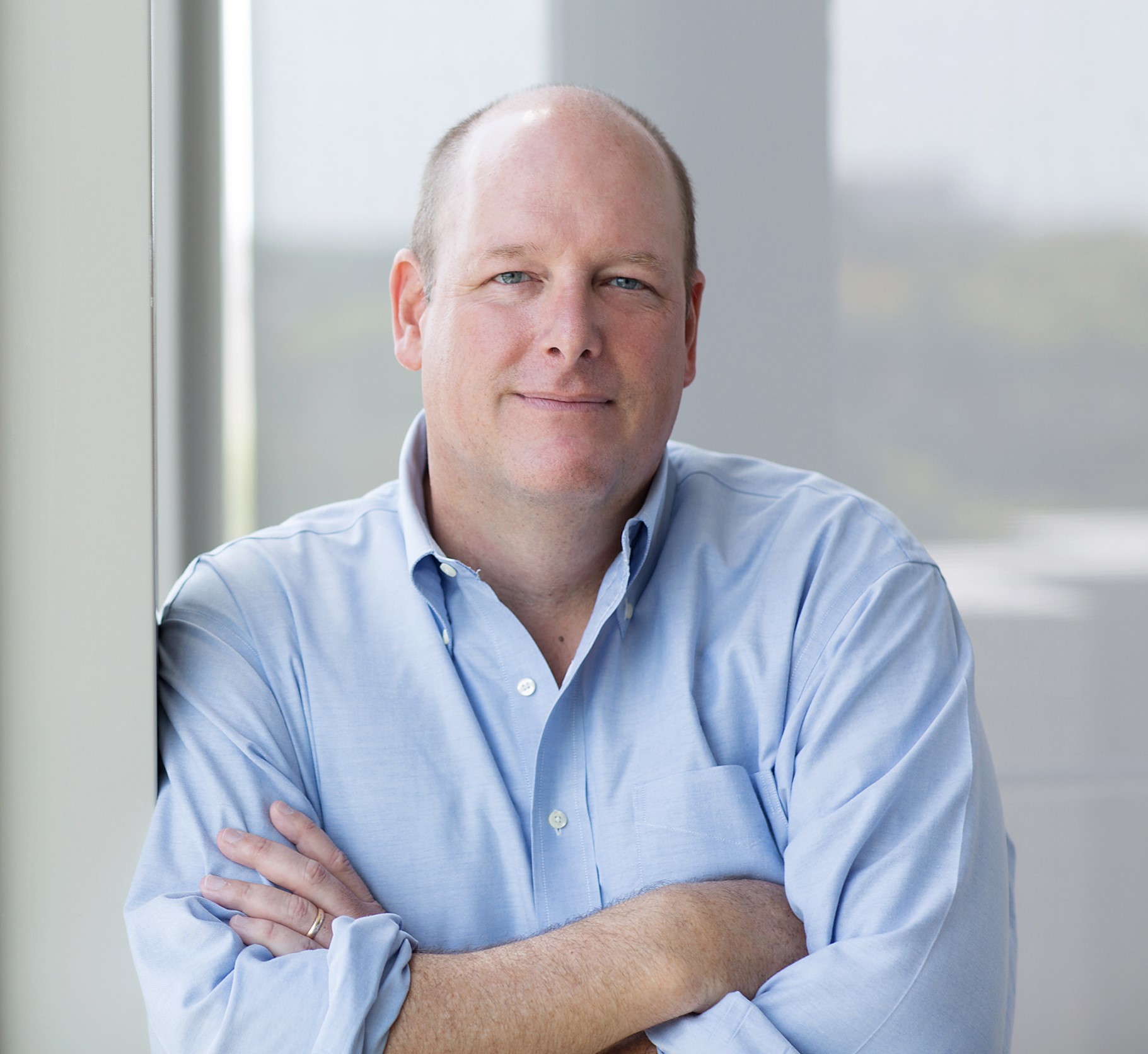
John David is a long-time public relations and crisis communications consultant, author of a non-fiction business book, and a corporate ghostwriter. His debut novel, The Bystander (The Lemaster Files Book 1), won the 2025 Page Turner Award for mystery novels, was longlisted for the BPA First Novel Award, and was awarded as a finalist for the 2025 Storytrade Book Award for traditional mysteries. It was released by Tule Publishing in September of 2025. Though not a big joiner, he is a member of the International Thriller Writers Debut Author program. When not working or writing, he enjoys fishing, talking about politics, and following the Florida Gators. He and his beautiful wife Pamela live in Pinecrest, Florida.



 5.0 (53 Reviews)

